
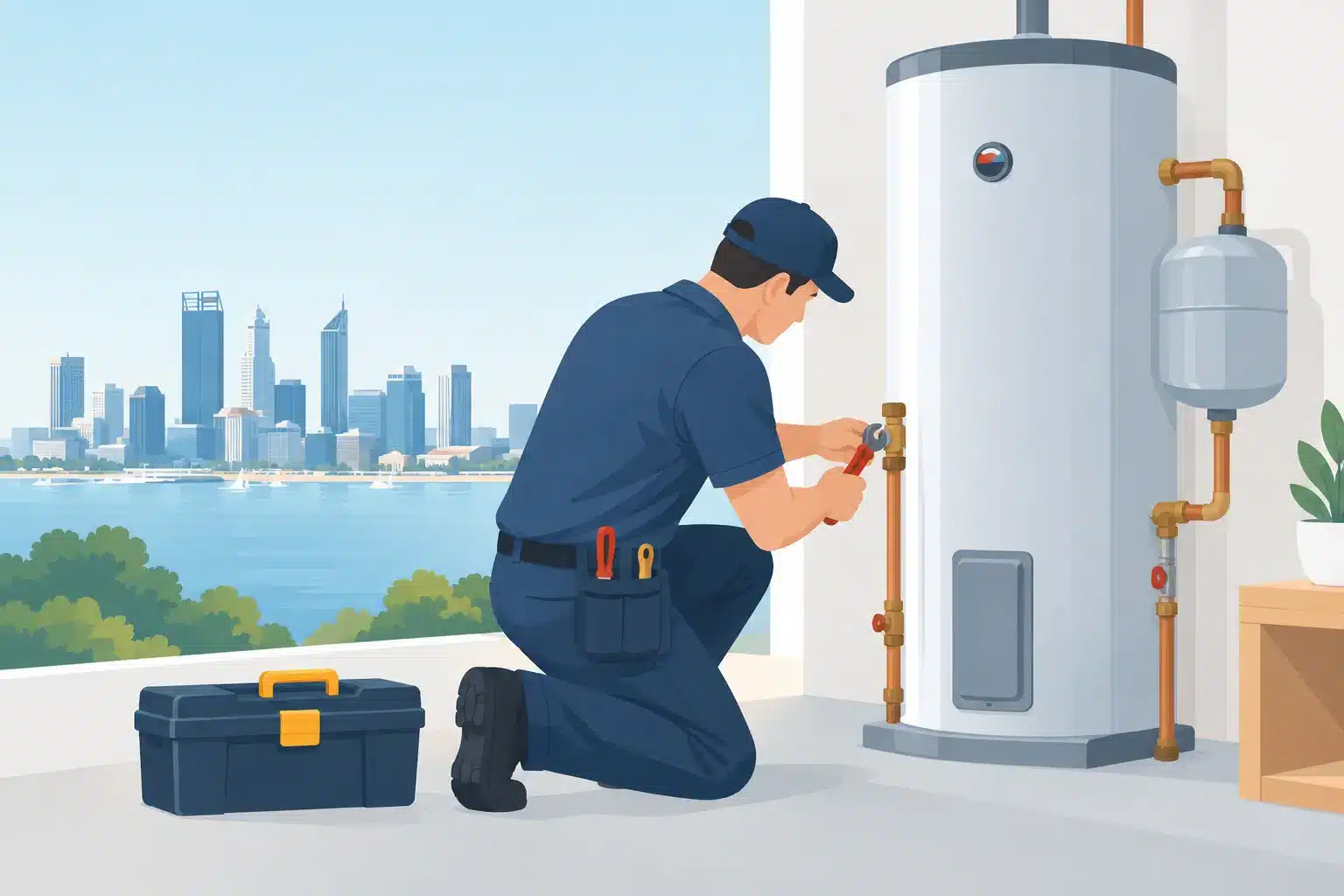
A cold shower is rarely the first sign of trouble. Many Perth hot water systems give notice through inconsistent temperatures, rusty water, puddles around the unit, unusual noises, or a sudden rise in energy use. When those signs appear, hot water repairs Perth property owners arrange early can prevent a small fault from becoming a burst tank, water damage, or an unsafe gas or electrical issue.
For homes, rental properties, businesses, and strata buildings, the priority is not simply getting hot water back for the day. It is identifying why the system failed and carrying out a repair that will hold up under normal use.
When hot water repairs in Perth should not wait
A complete loss of hot water needs prompt attention, particularly where a household, tenant, commercial kitchen, or workplace relies on the system every day. But some faults are more urgent than others.
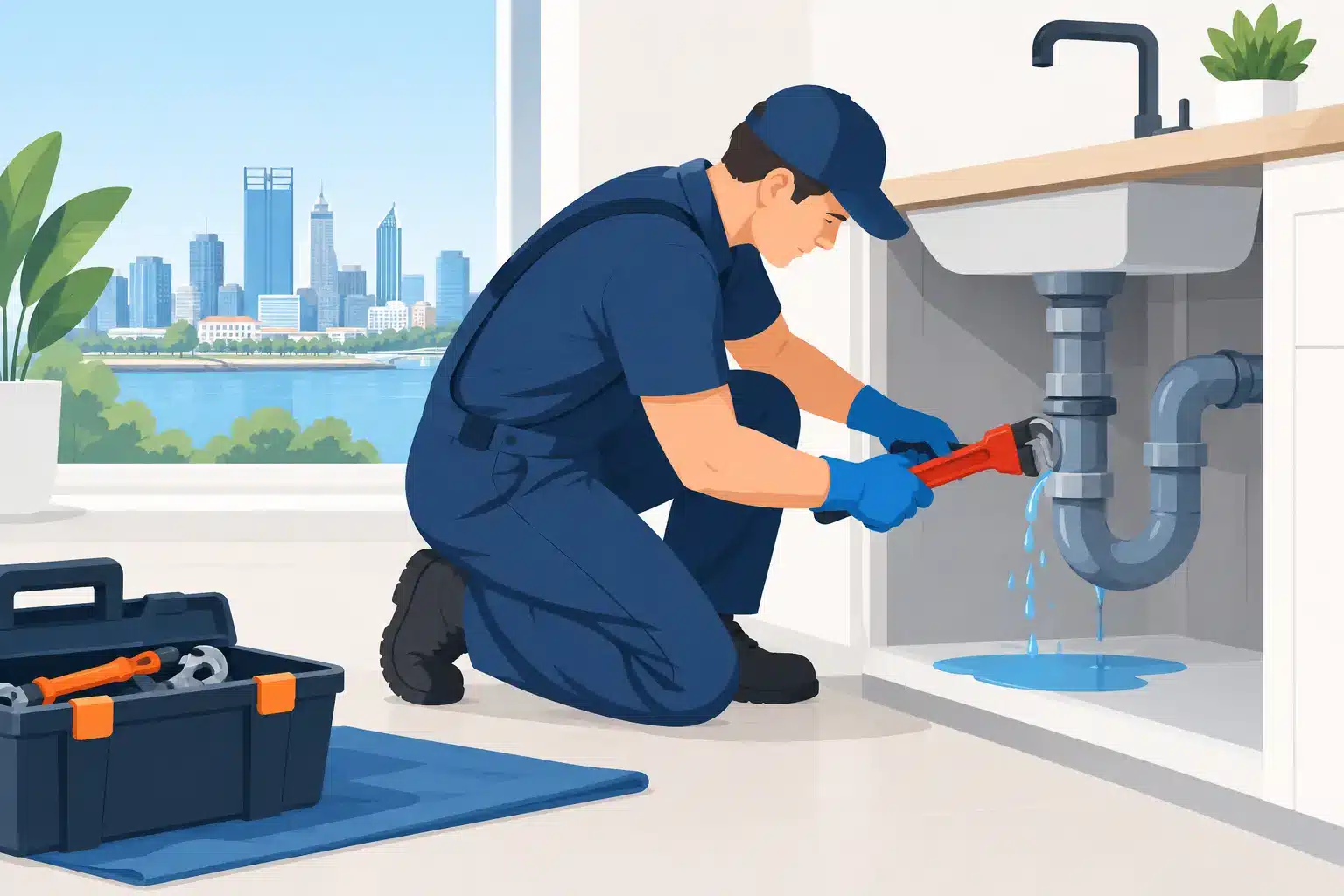
Water escaping from a tank, valve, pipe connection, or pressure relief line should be assessed quickly. A small amount of discharge from a relief valve can be normal during heating cycles, depending on the system and installation. Constant flow, pooling water, corrosion around fittings, or water coming from the tank casing is different. These can point to excessive pressure, a failed valve, or a tank that has reached the end of its serviceable life.
With gas storage and instantaneous systems, the smell of gas, a pilot that will not stay lit, soot marks, yellow or unstable flames, or repeated shutdowns are reasons to stop using the unit and arrange a licensed gas fitter. Do not try to relight or dismantle a gas appliance if something does not look right. Gas and combustion faults require proper testing, not guesswork.
Electric hot water systems also need safe diagnosis. Tripped breakers, a burning smell, discolored wiring, or water near electrical components should be treated seriously. Isolate the system if it is safe to do so, keep people clear of the area, and have a qualified professional inspect it.
The common reasons hot water systems fail
The right repair depends on the type of system, its age, water conditions, installation quality, and how the unit has been used. A technician should assess the full system before recommending a fix.
Storage tank problems
Traditional storage systems commonly develop faults in heating elements, thermostats, tempering valves, sacrificial anodes, relief valves, and connections. Sediment can also build up inside the tank over time. It may cause rumbling or banging as the unit heats, reduce efficiency, and place extra strain on components.
A leaking connection or faulty valve can often be repaired. A corroded tank body cannot be patched reliably. Once the cylinder itself has failed, replacement is generally the safer long-term option. Attempting a temporary repair on a deteriorated tank can lead to another leak at the worst possible time.
Instantaneous gas unit faults
Continuous-flow systems are valued for hot water on demand, but they rely on correct gas supply, water flow, ignition, ventilation, and electronic controls. Low flow can prevent the burner from activating. Scale buildup, blocked filters, failed sensors, ignition faults, or control-board problems can also cause temperature fluctuations or error codes.
The system may be functioning exactly as designed while another issue is limiting performance. For example, simultaneous demand from several showers or appliances can exceed the unit’s capacity. In that situation, replacing a part will not solve the underlying issue. A proper assessment considers the unit’s output, household demand, pipework, and fixture flow rates.
Heat pump and solar hot water issues
Heat pump and solar systems can reduce energy costs, but they have more components to inspect. Pumps, controllers, sensors, circulation lines, valves, collectors, electrical connections, and backup elements can all affect performance. A system that seems slow to recover may have a failed component, a programming issue, or simply be affected by weather and household demand.
These systems should be serviced by professionals familiar with the equipment and the relevant plumbing and electrical requirements. The goal is to preserve efficiency while making sure the hot water supply remains dependable.
What to do before the plumber arrives
A few sensible steps can reduce risk and help speed up diagnosis without turning a plumbing problem into a DIY project. If water is leaking heavily, turn off the water supply to the hot water unit if you can safely identify the isolation valve. If you cannot, use the property’s main water shutoff valve. Move stored items away from the leak and keep children and pets clear of the area.
For a suspected gas issue, do not use flames, switches, or electrical appliances near the smell. Leave the area if necessary and arrange urgent professional assistance. For electrical concerns, do not touch wet switches, exposed wiring, or the unit itself.
It is useful to note what changed before the fault appeared. Was the water gradually getting cooler? Did an error code display? Is the leak constant or only present when the system heats? Has the pressure relief line started running more often? Clear observations help, but a licensed plumber still needs to test the system on site.
Repair or replacement: making the practical call
Replacement is not always the answer. If the tank is sound and the fault is isolated to a valve, thermostat, element, or connection, a targeted repair may provide years of further service. This is often the most cost-effective outcome.
However, age and condition matter. An older storage tank with corrosion, repeated repairs, poor recovery time, or a history of leaks may cost more to keep running than it is worth. The same applies to a unit that no longer suits the property. A growing family, renovated bathroom, added tenancy, or commercial demand can expose a system that is undersized from the start.
A good recommendation explains the trade-off plainly. It should cover the immediate repair, the expected condition of the remaining system, and whether a replacement would offer better reliability or capacity. For landlords, strata managers, and businesses, this information also makes it easier to plan budgets and minimize disruption to occupants or operations.
Why licensed diagnosis matters
Hot water work can involve pressurized water, gas, electricity, temperature-control devices, drainage, and compliance requirements. A system that appears to be working after a quick adjustment may still have an unsafe pressure issue, incorrect tempering, poor combustion, or a hidden leak.
Licensed and insured tradespeople use the right testing equipment to find the source of the fault rather than replacing parts at random. They can check water pressure, gas operation, connections, safety valves, temperature settings, and system capacity as part of a complete diagnosis. That approach matters because repeat failures are often caused by the condition around the failed part, not just the part itself.
For rental, commercial, and strata properties, qualified work also supports maintenance records and helps property managers meet their responsibilities. Fast attendance is valuable, but workmanship standards matter just as much when multiple people rely on the same hot water supply.
A repair that gives you peace of mind
Everyday Plumbers has served Perth properties since 1984, providing practical hot water repairs for households, landlords, businesses, and strata customers. The focus is straightforward: attend promptly, assess the fault properly, explain the options clearly, and complete work to a standard designed to avoid another callout for the same issue.
If your hot water is unreliable, leaking, noisy, or completely cold, acting early is usually the best way to protect your property and avoid unnecessary disruption. A qualified inspection can turn an uncertain problem into a clear, safe plan for repair or replacement.



Leave A Comment