
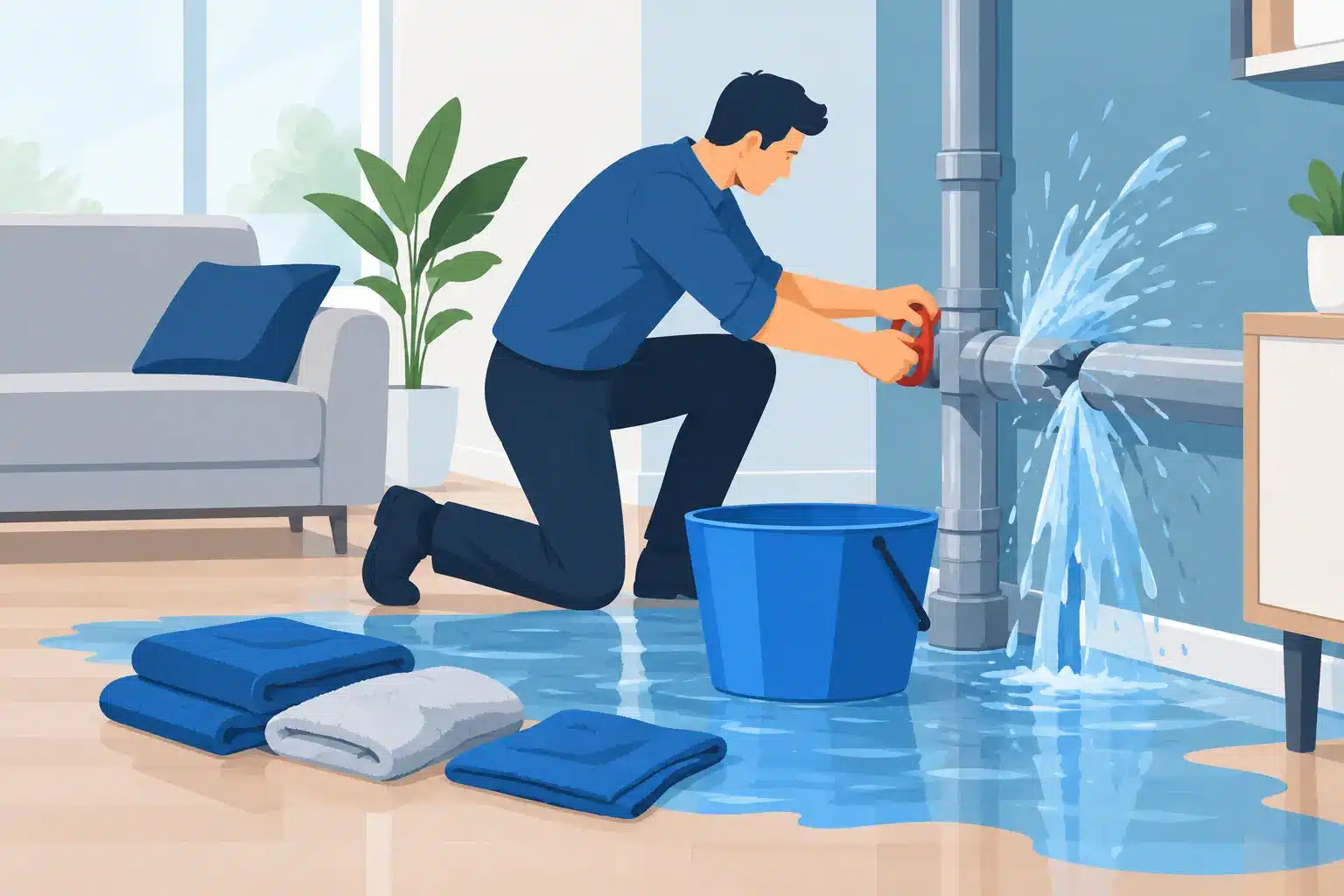
A burst pipe can release a surprising amount of water in minutes, soaking flooring, wall cavities, furniture, stock, and electrical fittings. The right burst pipe emergency steps are not about attempting a permanent repair yourself. They are about stopping the flow safely, reducing damage, and getting a licensed plumber to identify why the pipe failed.
For homeowners, landlords, business owners, and strata managers, a fast response can make the difference between a contained plumbing repair and a major restoration project. Stay calm, act in the right order, and avoid shortcuts that create another problem.
Burst Pipe Emergency Steps: What to Do First
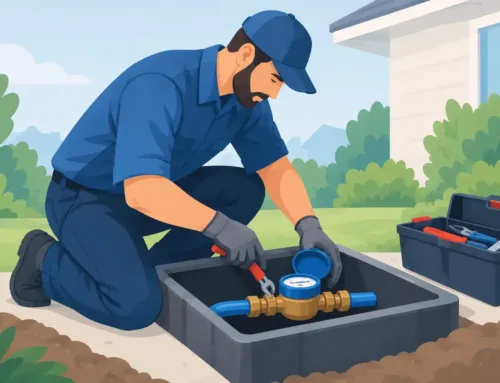
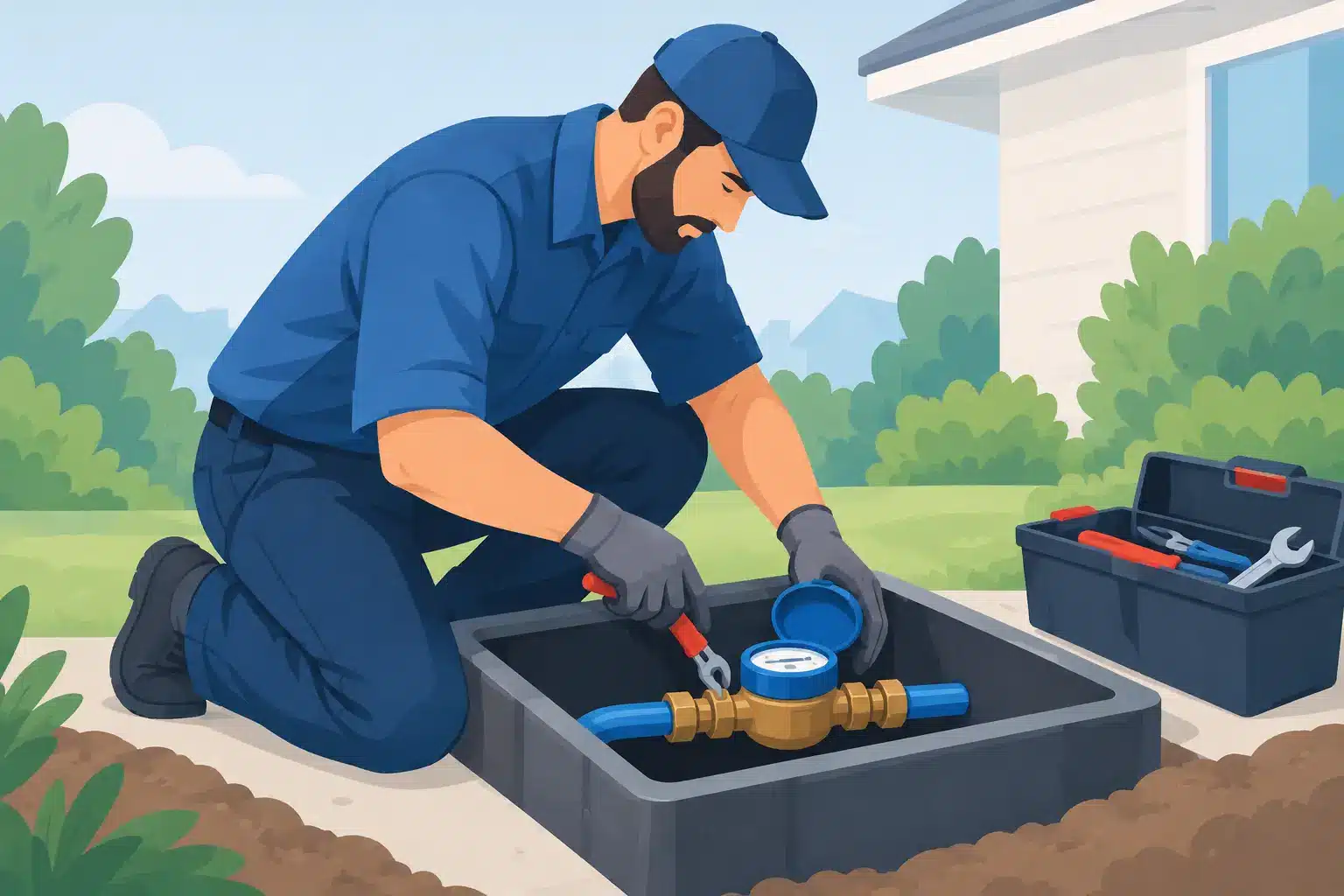
Your first priority is to stop more water entering the building. Find and close the main water shutoff valve. In most homes, this may be near the water meter, at the front of the property, or where the water supply enters the building. In commercial and strata properties, the shutoff arrangement may be in a plant room, service cupboard, or external meter area.
Turn the valve clockwise until it is fully closed. If it is difficult to turn, do not force it hard enough to damage the valve or pipework. A plumber can deal with a seized valve, but the immediate goal is to reduce the flow as much as possible.
Once the main supply is off, open cold water faucets at the lowest practical point in the property. This relieves pressure and helps drain water remaining in the lines. Do not expect it to stop every drip immediately. Water trapped above the damaged section can continue to drain for a short time.
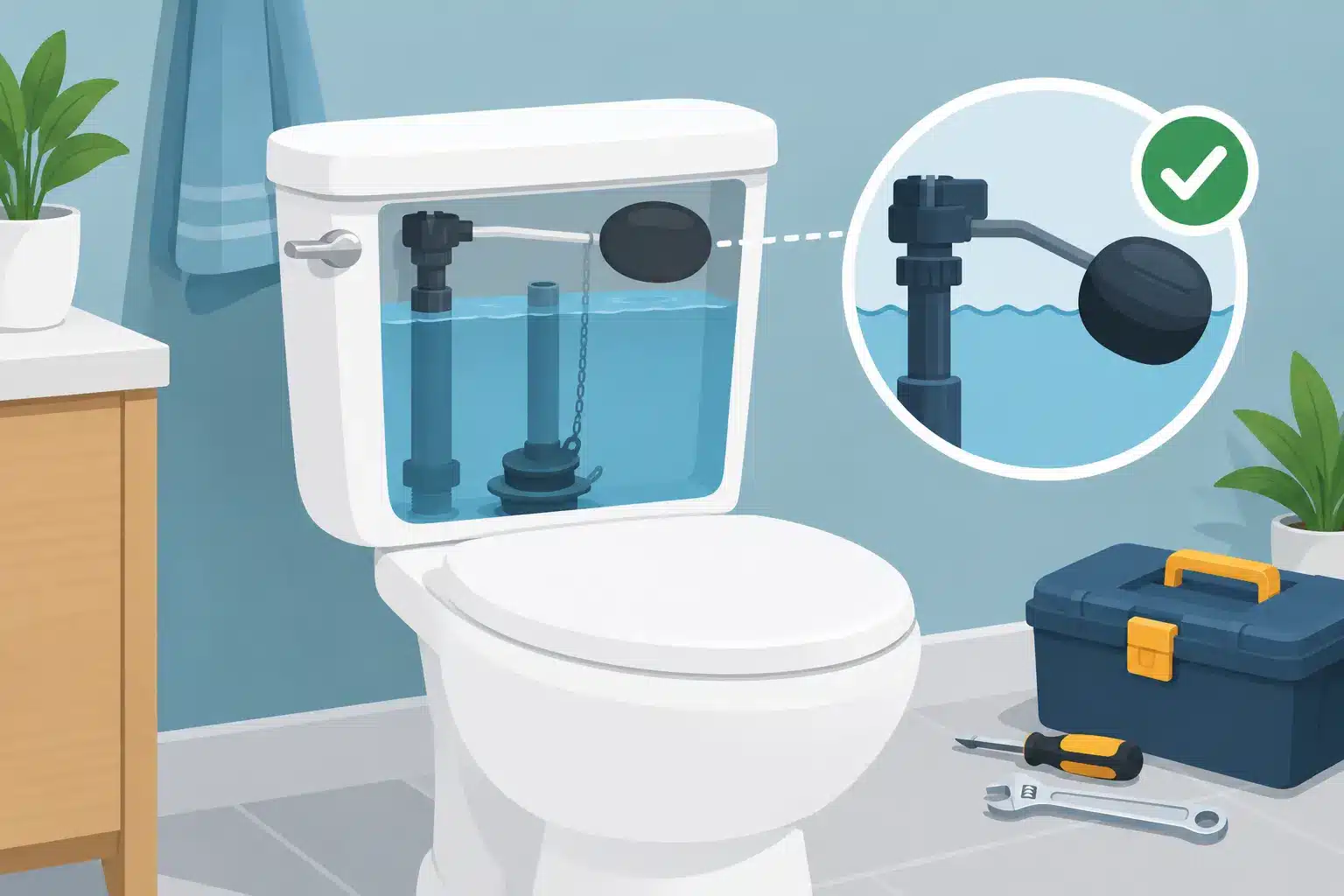
If the break is clearly on a branch line with its own isolation valve, such as beneath a sink or behind a toilet, you may be able to isolate that fixture instead. However, if you are unsure which valve controls what, shut off the main supply. The inconvenience of having no water temporarily is far better than allowing water to spread through the property.
Make the Area Safe Before You Start Cleaning
Water and electricity are a serious combination. If water is near outlets, power boards, appliances, light fittings, or the electrical panel, do not step into the affected area or touch electrical equipment. Turn off power at the main breaker only if you can do so without crossing wet areas or touching anything wet. If there is any doubt, keep clear and arrange qualified help.
Move people, pets, customers, and tenants away from the leak. Wet ceilings can sag without warning, and water can travel far from the visible burst. A ceiling stain in one room may originate from a failed pipe in a roof space, bathroom, or upper-level unit.
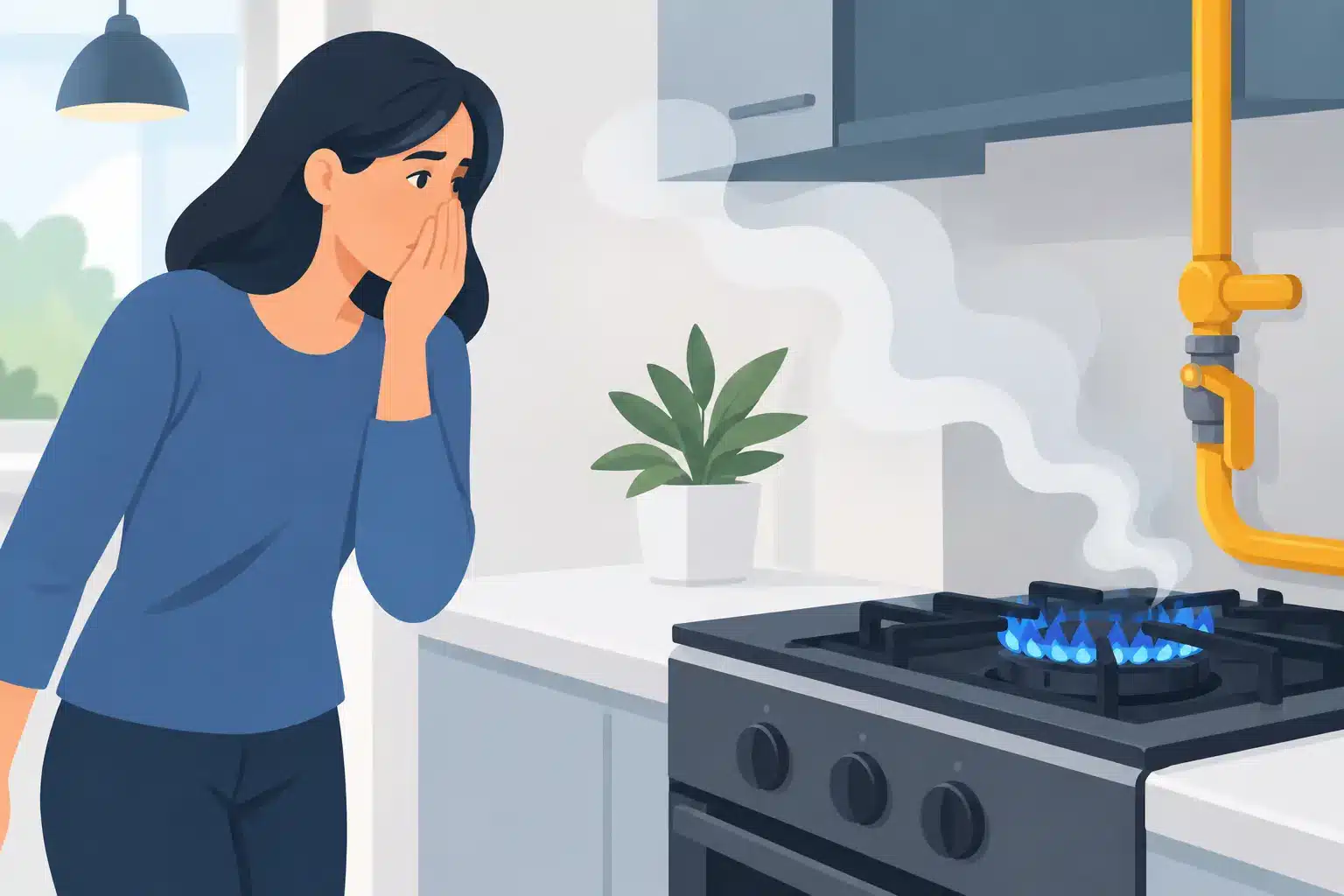
If water is close to gas appliances, gas piping, or a gas meter, avoid operating switches, flames, or electrical equipment nearby. Contact a licensed gas professional or emergency service if you smell gas or suspect a gas-related hazard. A burst water pipe is urgent enough on its own. There is no reason to take risks around gas or electricity.
Contain Water Without Making a Risky Repair
After the water supply is isolated and the area is safe to enter, use towels, buckets, mops, and wet-dry equipment to collect standing water. Move rugs, furniture, cartons, electronics, documents, and stock away from the affected area where it is safe to do so. Put a bucket under a visible drip, but do not rely on a bucket as the solution if the pipe is still under pressure.
For a small, accessible leak, a temporary pipe clamp or repair tape may slow a drip after the water is shut off. It is not a reliable repair for a burst pipe, especially where corrosion, frozen conditions, excessive water pressure, poor installation, or movement in the pipework caused the failure. Applying tape to a wet, damaged pipe can also delay the proper repair while water continues to track into walls or flooring.
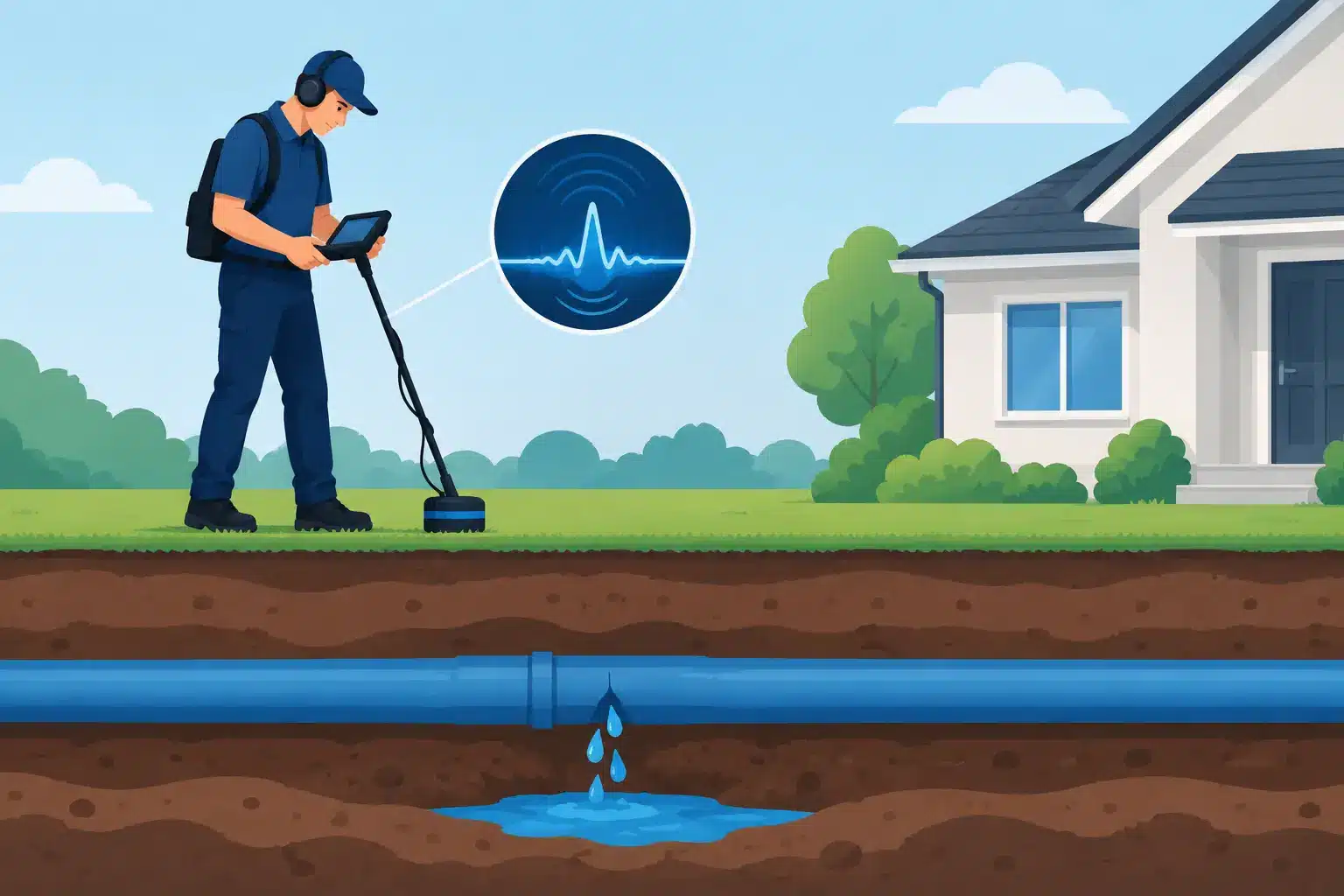
Avoid cutting into walls, ceilings, or pipework unless you are qualified to do so. The visible split is not always the full problem. Pipes can fail beside a fitting, within a wall cavity, or in several weakened locations along the same run. A professional diagnosis protects the property from repeat failures.
Protect the Property From Secondary Damage
Once active water is controlled, drying becomes the next priority. Water that remains behind skirting boards, under flooring, inside cabinets, or in wall cavities can lead to swelling, warping, odor, and mold growth. Open windows and internal doors when weather and security allow, and use fans or dehumidification equipment if the electrical area is safe.
Take clear photos and short videos before moving too much. Record the burst pipe, the water path, damaged contents, and affected finishes. This documentation can help with insurance discussions, landlord reporting, strata records, and repair planning. Keep receipts for emergency plumbing, water extraction, and temporary accommodation if it becomes necessary.
For a rental property, notify the landlord or property manager as soon as the immediate hazard is under control. For a strata complex or commercial site, alert the building manager and any tenants or businesses that may be affected. Water can migrate between units, floors, and common areas, so early communication helps prevent avoidable disruption.
What a Licensed Plumber Should Check
A proper burst-pipe repair is more than replacing the section that split. A licensed plumber should locate the failure, isolate the correct line, replace damaged materials, and test the repair under pressure. The cause matters because a pipe that bursts once may reveal a wider issue.
Common causes include aging or corroded pipework, excessive water pressure, failed fittings, shifting ground, poor previous repairs, damage from drilling or landscaping, and pressure stress from faulty valves. In some areas, exposed pipework can also be damaged by cold conditions. The repair approach depends on the pipe material, its location, access requirements, and whether surrounding pipework is still sound.
In a commercial or strata building, the plumber may also need to determine whether the damaged line serves one tenancy, a shared fixture group, or a common water service. That assessment affects shutdown planning and helps minimize downtime for occupants.
Everyday Plumbers approaches emergency repairs with the aim of delivering a long-term solution, not a quick patch that leaves the underlying fault in place. This may include checking water pressure, inspecting nearby fittings, replacing compromised pipe sections, and confirming the system is operating correctly before water is restored.
Do Not Turn the Water Back On Too Soon
It can be tempting to restore water as soon as the visible pipe appears dry. Do not reopen the main valve until the damaged line has been repaired and tested. Turning the supply back on can quickly flood the area again, particularly if the break is hidden or a temporary patch fails under pressure.
When a plumber has completed the repair, ask where your main shutoff valve is located and whether it operates properly. If the valve is old, hard to reach, seized, or poorly labeled, having it repaired or upgraded is a practical investment. Everyone responsible for the property should know how to shut off the water in an emergency.
For landlords and property managers, consider adding the water shutoff location to tenant information and maintenance records. For businesses, make sure key staff know the shutdown procedure and who to contact after hours. Those small preparations reduce confusion when time matters most.
When a Burst Pipe Needs Immediate Help
Any burst pipe deserves prompt attention, but some situations require an urgent callout: water entering electrical areas, a collapsed or sagging ceiling, flooding across multiple rooms or units, no ability to isolate the water, damage to a main supply line, or water affecting a business operation. The same applies when the pipe is concealed and the source cannot be safely identified.
A licensed, insured plumber has the equipment to isolate the problem, access pipework carefully, complete the repair, and test the system properly. That helps protect the building, its occupants, and the people responsible for maintaining it.
The most useful preparation is simple: know where the water shutoff valve is before an emergency happens, and keep the number of a qualified local plumber available. When a pipe fails, a quick shutoff and a properly completed repair give your property the best chance of a clean recovery.

Leave A Comment