
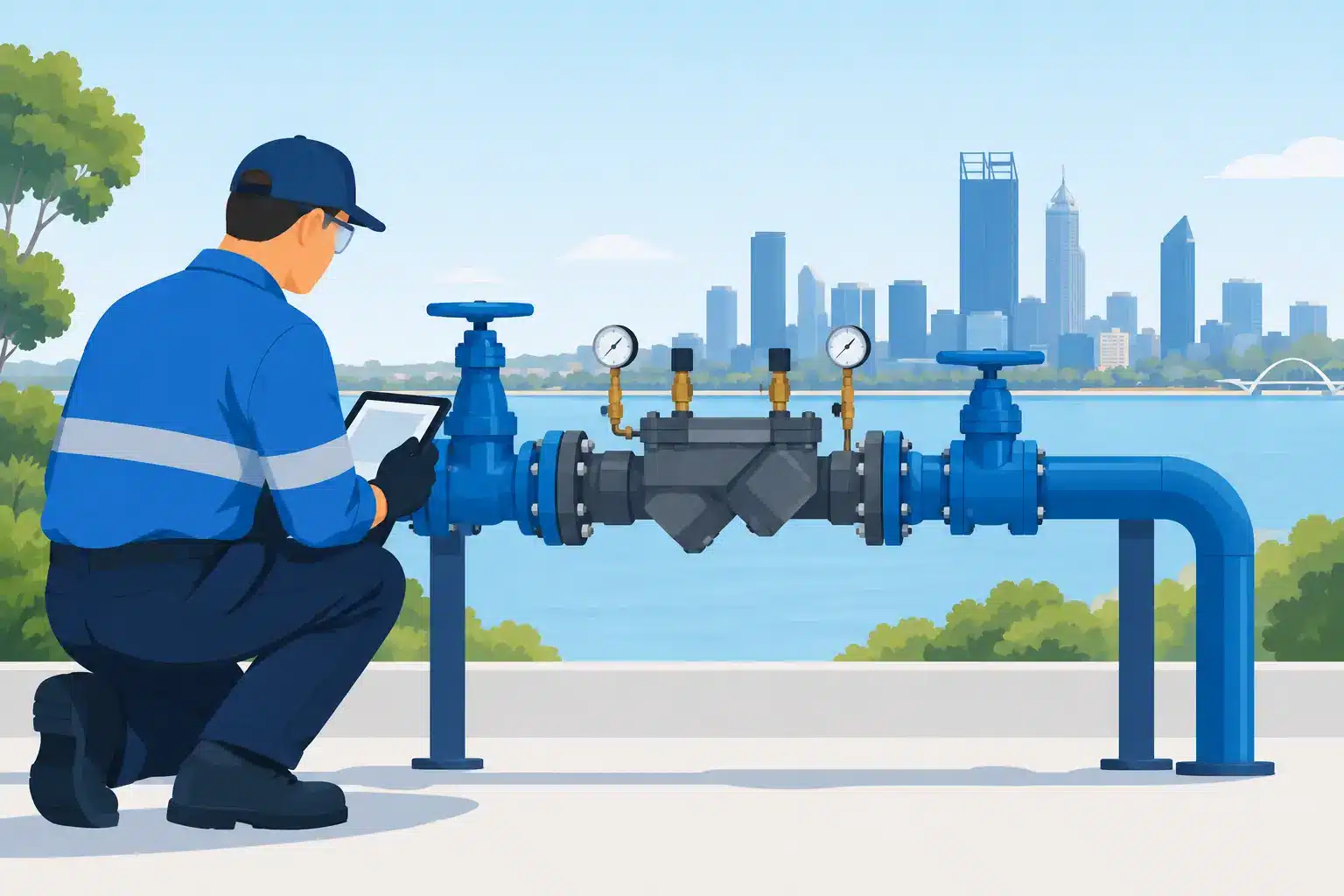
A backflow device usually sits quietly out of sight, doing a job most people never think about. But when it fails, contaminated water can be drawn back into the drinking water supply – a serious risk for a building, its occupants, and the wider water network. That is why backflow prevention testing Perth property owners arrange is more than a routine compliance task. It is a practical safety check that confirms the device protecting your water supply still works as intended.
For commercial sites, strata properties, and homes with certain higher-risk plumbing systems, testing may be required at set intervals. A licensed, qualified plumber can identify the device, test its operation, complete the required documentation, and repair or replace faulty components before a small issue becomes a larger one.
What Is Backflow and Why Does It Matter?
Water normally travels in one direction: from the public water supply into your property. Backflow happens when a sudden drop or change in pressure causes water to move in the opposite direction. If that water has been exposed to chemicals, bacteria, sediment, or other contaminants, it may enter the potable water supply.
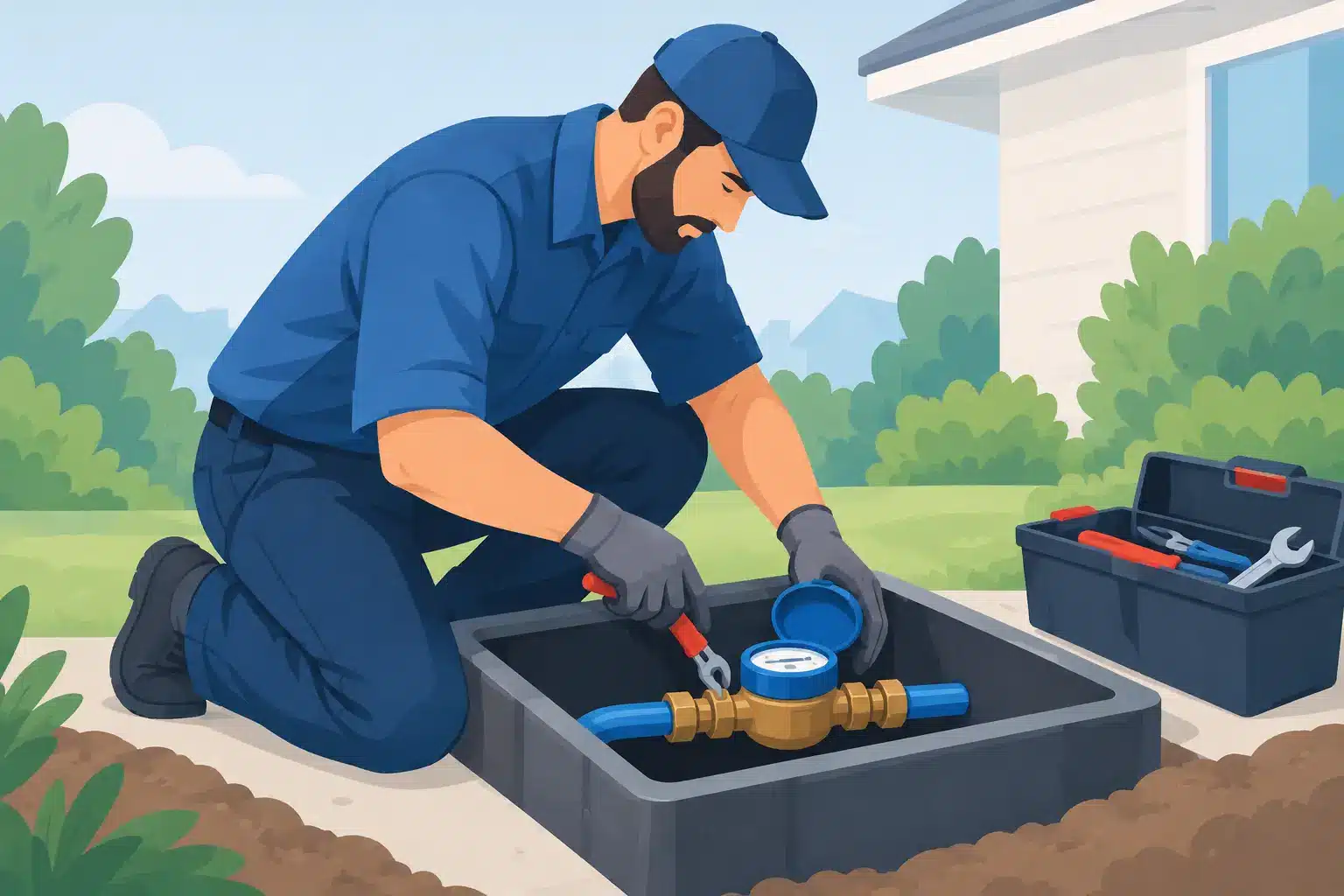
This can occur during a burst water main, heavy demand on the network, firefighting activity, a pump issue, or a pressure change within the property. The risk is not always obvious from the tap. A property can have clean-looking water while a failed protective device remains hidden in a plant room, cabinet, service riser, or outdoor meter area.
Backflow prevention devices are designed to stop this reverse movement. They are commonly found where a property has an irrigation system, fire service, commercial kitchen, medical or dental equipment, wash-down areas, chemical handling, cooling systems, or other connections that could create a contamination risk.
Who May Need Backflow Prevention Testing in Perth?
The requirements for backflow prevention testing in Perth depend on the property, water connection, installed device, and assessed level of risk. Commercial buildings and multi-unit developments are common candidates, particularly where there are shared services or more complex plumbing systems.
A retail tenancy with basic plumbing may have different requirements from a workshop, childcare center, medical practice, apartment building, warehouse, or restaurant. The same applies to residential properties. A standard house may not have a testable device, while a home with irrigation, a rainwater system connected in a particular way, a pool top-up arrangement, or other non-standard plumbing may need closer assessment.
Property managers and strata councils should not assume that an older building is exempt simply because no one has raised the issue recently. Devices can be overlooked after renovations, tenant fit-outs, landscaping upgrades, or changes to a building’s use. If there is a backflow device on site, it needs to be accessible, correctly installed, and maintained in line with the relevant requirements.
What Happens During a Backflow Device Test?
Testing is a focused job, but it needs to be completed by a suitably qualified professional using calibrated equipment. The plumber starts by locating the device and checking its condition, installation, access, and visible signs of damage or corrosion.
The device is then isolated and tested to confirm its internal valves, check mechanisms, relief components, and shut-off valves are performing correctly. The exact method depends on the type of device installed. A testable double check valve assembly is assessed differently from a reduced pressure zone device, for example.
The work may involve a brief water interruption to the relevant service. For a commercial or strata property, good scheduling matters. Testing a device serving irrigation is usually straightforward, while work affecting a business operation, fire service, or shared water supply may need careful coordination to reduce disruption.
Once testing is complete, the plumber records the result. If the device passes, the required paperwork can be completed for your records and, where applicable, submitted through the appropriate process. If it fails, you should receive a clear explanation of what is wrong and what is needed to return it to service.
Common Reasons Backflow Devices Fail
Backflow devices work under pressure and are exposed to water quality, weather, wear, and physical damage. Even a well-installed unit can develop faults over time. Leaking valves, worn seals, damaged springs, blocked relief ports, corroded fittings, and debris inside the assembly can all affect performance.
Outdoor devices are especially vulnerable when they have no protective enclosure or have been hit by garden equipment, vehicles, or stored materials. In commercial settings, poor access is another common problem. A device boxed in by later building work, landscaping, or stock cannot be inspected or tested properly.
A failed test does not automatically mean the entire assembly must be replaced. In some cases, a repair kit or replacement internal component will restore the device. In other cases, corrosion, incorrect installation, obsolete parts, or repeated failures make replacement the better long-term option. The right decision depends on the device condition, availability of parts, compliance needs, and the cost of future callouts.
Why Annual Reminders Help Property Managers
Backflow testing dates are easy to miss when a property manager is handling maintenance requests, lease renewals, emergency repairs, inspections, and contractor coordination across several sites. Yet missing a required test can create avoidable pressure when notices arrive or a compliance record is requested.
A planned maintenance approach gives you time to arrange access, notify tenants, check device locations, and deal with repairs without turning the job into an urgent callout. It also helps identify related plumbing concerns, such as damaged isolation valves, exposed pipework, leaks around the assembly, or inadequate access for future service work.
For strata properties, keeping clear records is particularly useful. Committee members change, building managers change, and maintenance history can become fragmented. A documented test and repair history provides a clearer picture of what has been done, when the device was last serviced, and whether a recurring fault needs a more permanent solution.
Choosing the Right Plumber for Backflow Testing
Backflow work is not a job for guesswork or a quick visual inspection. Ask whether the plumber is properly licensed and qualified for backflow testing, carries the appropriate insurance, and can provide clear results and paperwork after the visit.
It also helps to choose a local team that can handle the repair if the device does not pass. A test report that identifies a fault is only the first step. You need a plumber who can explain the options in plain language, source suitable parts, and complete the work to a proper standard.
For businesses, landlords, and strata managers, responsiveness matters too. If a device fails shortly before a deadline or is linked to a service interruption, delays can affect tenants and operations. Everyday Plumbers provides practical backflow support across Perth, with licensed professionals focused on repairs that hold up rather than temporary fixes.
Questions Property Owners Often Ask
Is every backflow device tested every year?
Not every property has a testable backflow device, and the required testing schedule depends on the device and risk classification. If you have received a notice, have a known device on site, or are unsure what is installed, arrange an assessment rather than relying on assumptions.
Can a backflow device be tested if it is leaking?
Sometimes, but a leak may indicate a fault that affects the test result or requires repair first. A qualified plumber can determine whether the device can be tested safely, repaired on the spot, or needs replacement.
Can tenants arrange the test?
They can provide access or coordinate a visit, but the property owner, manager, or strata representative should remain involved. Testing records, repair approvals, and compliance responsibilities need to be managed by the party responsible for the property.
A backflow device is small compared with the rest of a plumbing system, but its role is significant. Keeping it tested, accessible, and properly repaired protects more than one building – it helps protect the water people rely on every day.




Leave A Comment