
A slow kitchen sink can turn into an overflowing drain with very little warning. When the blockage is beyond the trap or keeps returning after clearing, a blocked drain camera inspection Perth property owners can rely on gives you a clear view of what is happening inside the pipe. It replaces guesswork with evidence, helping a licensed plumber choose a repair that addresses the actual cause rather than providing a short-term fix.
What a drain camera inspection shows
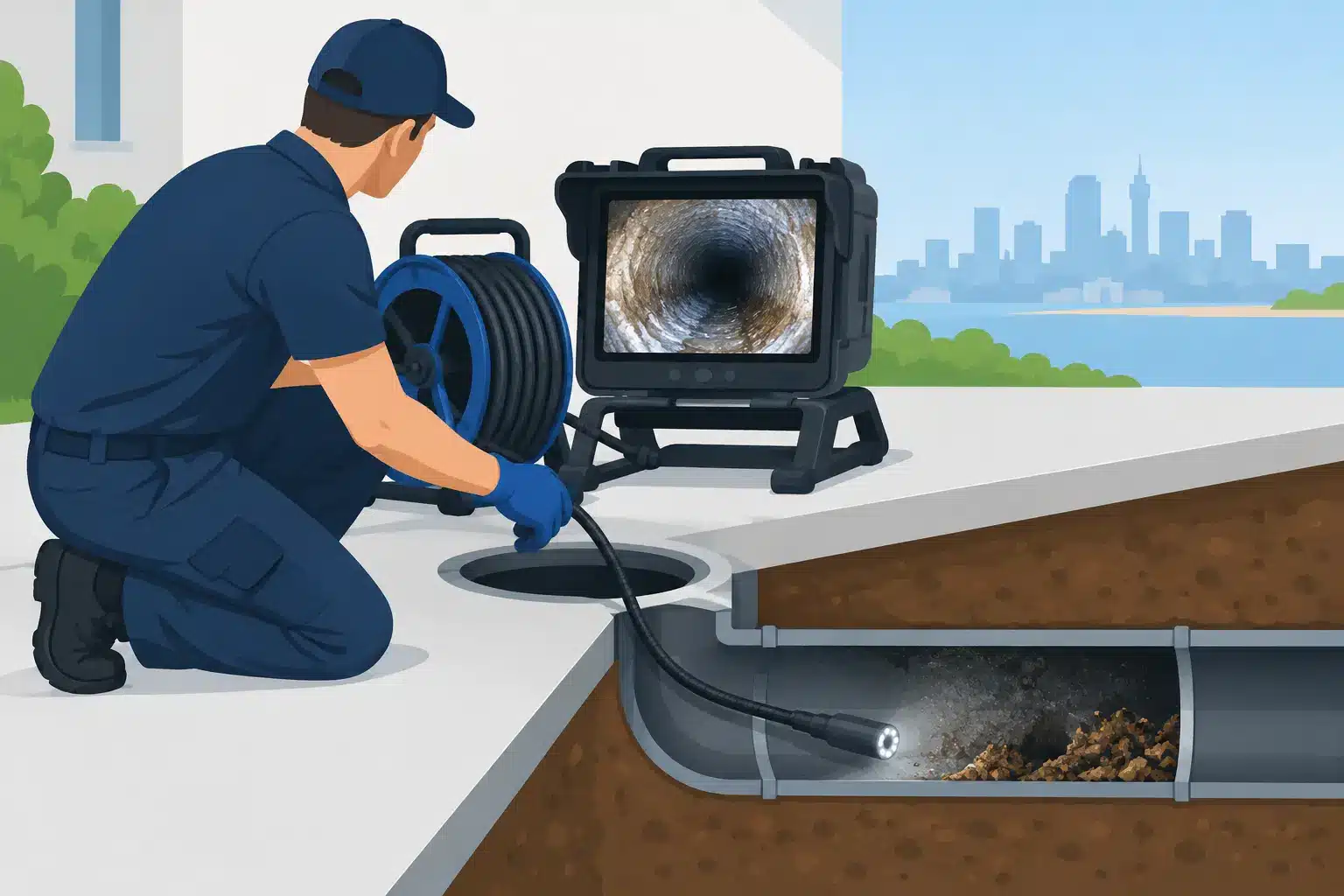
Drain pipes are mostly hidden below floors, behind walls, or underground. That makes it difficult to know whether you are dealing with grease buildup, tree roots, a damaged pipe, or an object lodged in the line. A drain camera is a small, purpose-built waterproof camera attached to a flexible cable. It is guided through the pipe while the plumber views live footage on a monitor.
The inspection can show where the blockage sits, how severe it is, and whether there is a larger issue affecting the line. Depending on the condition of the drain, footage may reveal root intrusion through pipe joints, cracked or collapsed sections, displaced pipework, corrosion, scale, accumulated debris, or a poor connection from previous work.
This matters because the right repair depends on the reason the drain failed. High-pressure water jetting may be effective for roots and debris, while a broken or collapsed pipe may need targeted repair or replacement. Clearing water flow without identifying damaged pipework can leave the same problem waiting to return.
When a blocked drain camera inspection in Perth is worth arranging
A camera inspection is not required for every minor sink blockage. If a simple, isolated blockage clears and does not recur, further investigation may not be necessary. However, camera work is a sensible next step when there are signs the issue is deeper in the drainage system.
Recurring blockages are one of the clearest warning signs. If toilets, showers, floor drains, or sinks repeatedly back up, the pipe may be restricted by roots, buildup, or damage that cannot be properly assessed from above ground. Gurgling fixtures, slow drainage across more than one room, unpleasant drain odors, and water appearing around outdoor inspection points also deserve prompt attention.
For Perth properties with established gardens, tree roots are a common concern. Roots naturally seek moisture and can enter small gaps around older pipe joints. Once inside, they trap toilet paper, grease, and other waste. The drain may still flow for a period, but the restriction gradually worsens until a full blockage occurs.
Camera inspections are also useful before major drain repairs, after repeated jetting, and when purchasing or managing an older property. Landlords, strata representatives, and commercial property managers can use the findings to make informed maintenance decisions and reduce the risk of an unexpected drainage failure affecting tenants or customers.
How the inspection process works
The work begins with an assessment of the symptoms and accessible drain points. A qualified plumber will identify the most suitable entry point, which may be an inspection opening, gully, floor waste, or another part of the drainage system. If standing water or a complete blockage prevents the camera from passing, the line may need to be cleared first.
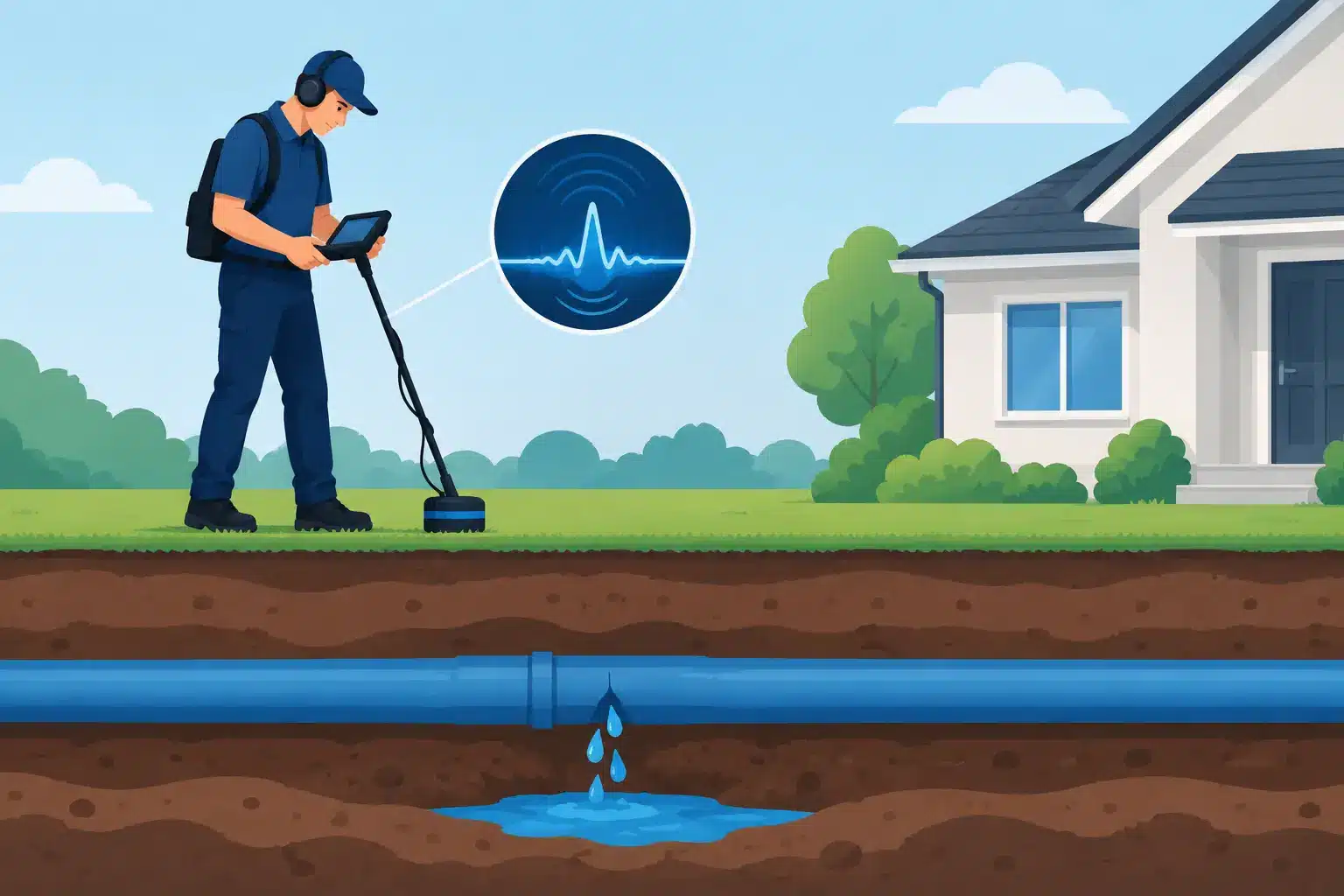
Once there is a path through the drain, the camera is fed into the pipe. The operator watches the live image to identify restrictions, defects, and changes in pipe condition. Modern equipment can help locate the problem area from above ground, which is particularly helpful when deciding whether excavation is necessary.
A proper inspection is not simply about seeing that there is a blockage. The useful part is interpreting what the footage means for the repair. For example, fine roots at one joint may be removed with jetting and monitored, while a section that has collapsed or separated may require more permanent work. The plumber should explain the condition of the line in plain language and outline practical repair options.
Why clearing a blockage alone may not be enough
Plungers, store-bought chemicals, and basic drain cleaning can sometimes restore flow at the fixture. They do not show what is happening farther down the line. Chemical products can also be hard on certain pipe materials and may create a safety risk for anyone who later opens or works on the drain.
Even professional drain clearing has limits if it is carried out without diagnosis. High-pressure jetting can remove roots, grease, and debris effectively, but it cannot repair a cracked pipe or correct a section with the wrong fall. If the underlying defect remains, material can build up again at the same point.
That does not mean every blockage leads to excavation. In many cases, the pipe is structurally sound and needs thorough cleaning. The value of camera footage is that it helps distinguish between a maintenance issue and a repair issue. This can prevent unnecessary digging while making sure serious faults are not ignored.
Common drain issues found on Perth properties
Older clay and earthenware drains can be vulnerable at their joints, particularly where soil movement or roots are present. Some properties also have aging metal pipes that corrode internally over time, reducing the available space for wastewater to flow. Newer PVC pipework is durable, but it can still be affected by poor installation, crushed sections, building movement, or unsuitable materials entering the system.
In kitchens, grease, food scraps, coffee grounds, and detergent residue can collect in waste lines. In bathrooms, hair and soap buildup are common. Toilets can become blocked by wipes, sanitary products, and other items that should not enter the sewer. These materials may create a one-off obstruction, but they can also gather at an existing low spot, root mass, or damaged joint.
Stormwater drainage needs separate consideration. Leaves, sediment, garden debris, and roots can block stormwater pipes and cause water to pool around the property during heavy rain. A camera inspection can help identify whether the problem is in a downpipe connection, underground stormwater line, or another part of the system.
A practical approach for homes, strata, and businesses
For a household, the priority is usually restoring use of the kitchen, bathroom, or toilet quickly and safely. For a strata complex, business, or rental property, the impact can be broader. A blocked common drain may affect multiple units, disrupt trading, damage flooring, or create an unpleasant environment for residents and customers.
In these situations, clear diagnosis supports better decisions. The inspection can identify whether the issue is isolated to one tenancy or located in a shared line. It can also help property managers plan repairs with less disruption, especially if the affected pipe runs beneath driveways, landscaped areas, parking spaces, or internal floors.
Everyday Plumbers provides licensed and insured local tradespeople who can investigate blocked drains, explain the findings clearly, and recommend work based on the condition of the pipe. The focus is on a repair standard that reduces repeat failures, not a band-aid solution that only delays the next callout.
What happens after the camera inspection
The next step depends on what the camera finds. A line affected by soft buildup, grease, or manageable root growth may be cleaned using appropriate drain-clearing equipment. If the footage shows a localized defect, a plumber can discuss whether a targeted repair is suitable. More extensive damage may require replacement of the affected section.
Cost and disruption should be considered alongside urgency. A minor root intrusion might be managed with cleaning and scheduled maintenance if the pipe remains sound. A collapsed section, however, is unlikely to improve and can lead to repeated backups or wastewater escaping into the ground. Acting early can often limit damage and give you more control over how and when repairs are completed.
If your drains are repeatedly slow, noisy, or backing up, do not wait for wastewater to overflow. A professional camera inspection provides the evidence needed to make the next repair decision with confidence and protect your property from a larger plumbing problem.


Leave A Comment