
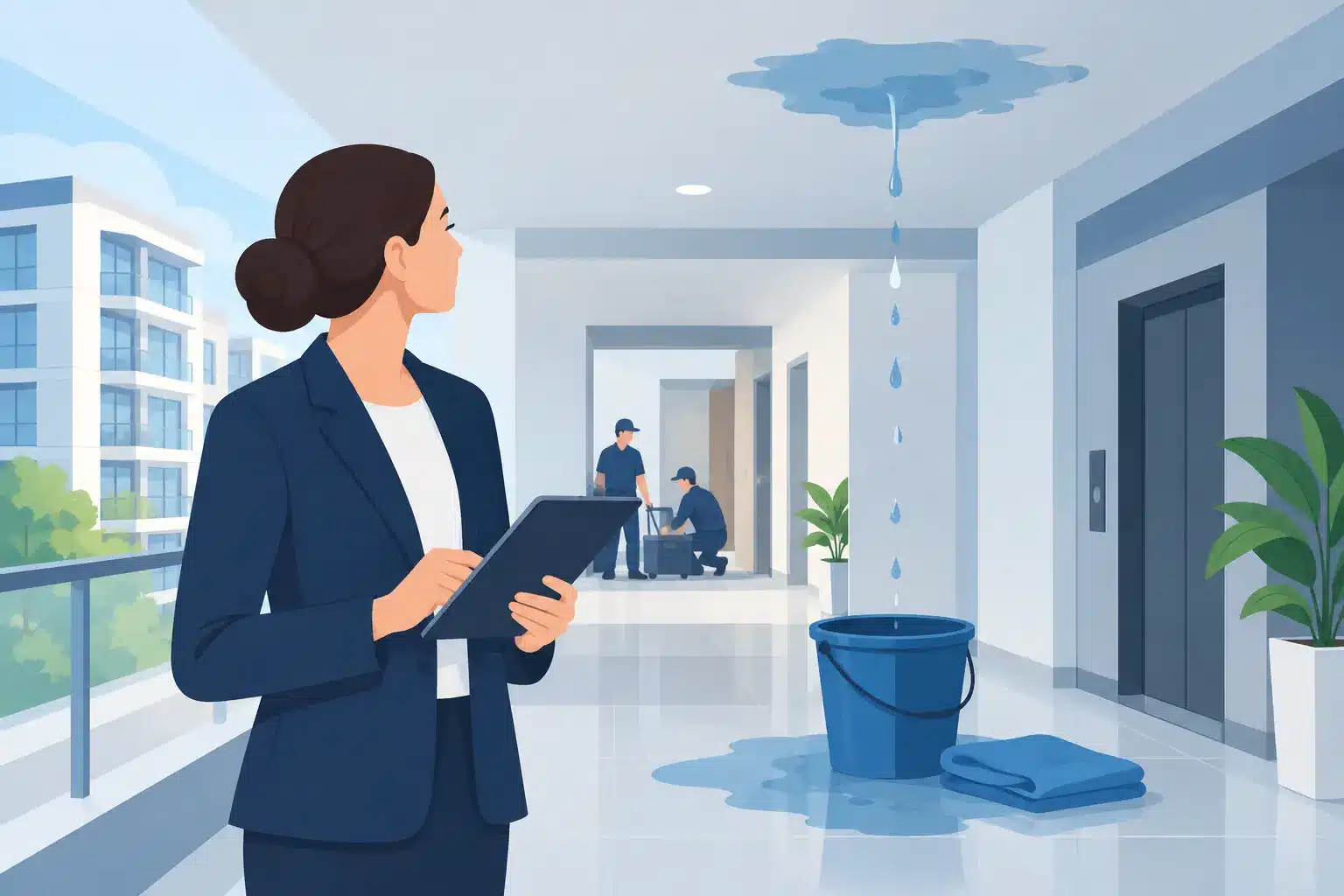
A water stain spreading across a ceiling, water under a unit door, or a sudden drop in water pressure can become a strata-wide problem quickly. This strata water leak response guide is designed for strata managers, committee members, and property managers who need to protect residents, reduce damage, and get the right trade response without delay.
The first priority is always safety and damage control. The second is finding the real source of the leak. Treating visible water without diagnosing why it is there can lead to repeat failures, hidden mold, damaged common property, and difficult insurance discussions later.
First actions when a strata leak is reported
Ask the resident or building representative a few clear questions: Where is the water appearing? Is it still flowing? Is it near electrical fittings, a hot-water system, gas appliance, or shared access area? Has the water been isolated?
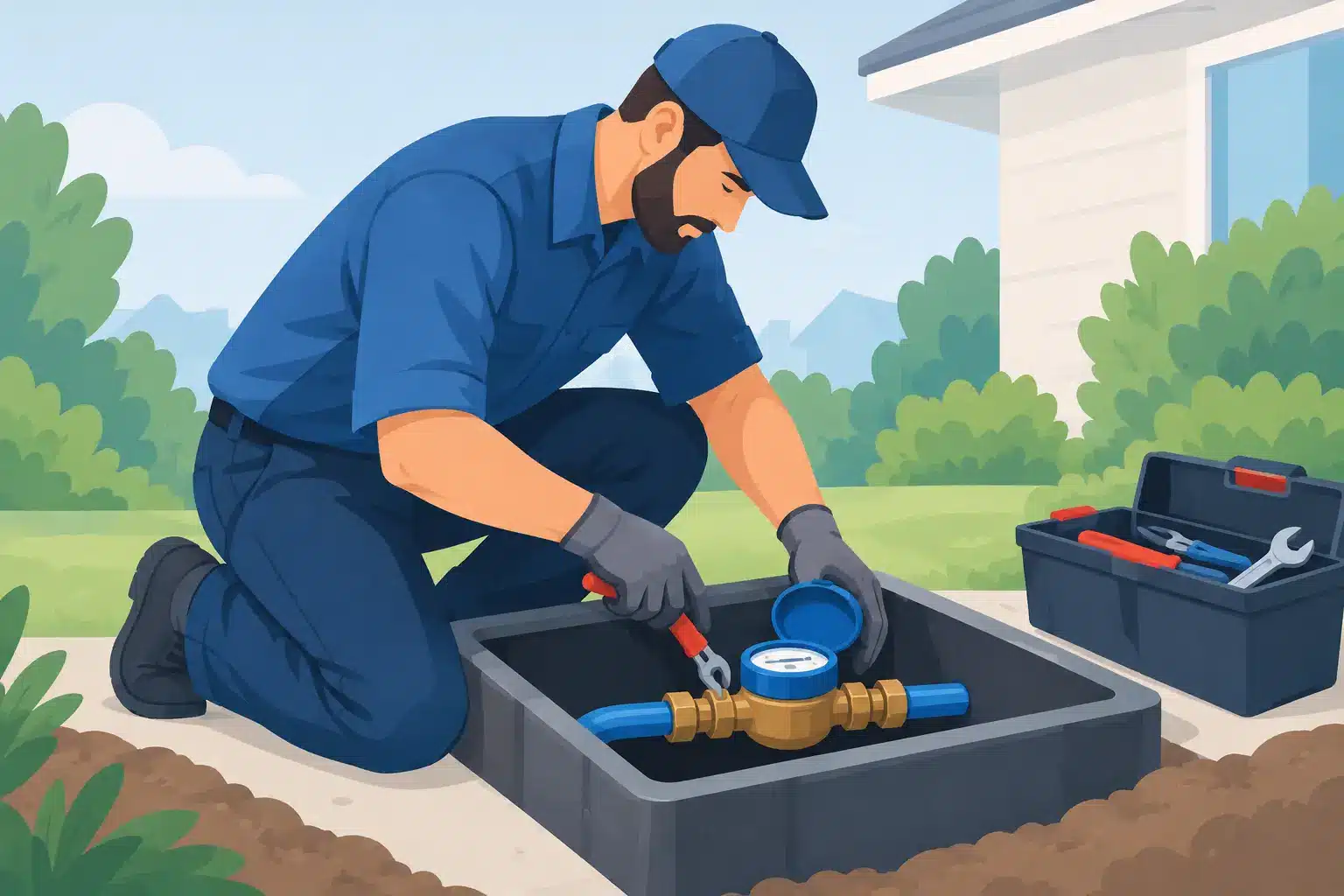
If water is actively escaping, arrange for it to be shut off at the nearest safe isolation point. This may be the fixture valve, the unit’s water meter, or a common-property isolation valve. Do not ask occupants to remove access panels, enter ceiling spaces, or interfere with electrical equipment. Water and electricity are a serious combination, particularly in apartment buildings where the leak may travel some distance from its source.
If water is close to power points, light fittings, switchboards, or lifts, keep people clear and contact the appropriate electrical or building emergency contact as well. A plumber can stop and diagnose the water issue, but electrical safety must be managed separately.
For a burst pipe, major ceiling leak, overflowing drain, or water entering multiple units, treat the matter as an emergency. Fast attendance can make the difference between a contained repair and extensive restoration work.
Confirm who is affected before assigning responsibility
In strata properties, the point where water appears is not always where the fault began. A wet ceiling in one unit may be caused by a leaking shower, failed flex hose, roof penetration, common riser, drainage pipe, or hot-water line in another area.
Before deciding whether the matter is lot-owner or common-property responsibility, document the initial facts and arrange a qualified assessment. The building’s strata plan, bylaws, insurance policy, and relevant state requirements will influence responsibility. The plumber’s role is to locate the source, explain the condition of the pipework or fixture, and recommend a suitable repair. Responsibility should not be assumed simply because the visible damage is inside one lot.
This matters because an incorrect decision can delay repairs while water damage continues. It can also create unnecessary conflict between the owner, tenant, strata company, insurer, and managing agent.
What a professional leak investigation should cover
A proper response is more than tightening a fitting or patching the visible area. The plumber should assess the likely origin of the leak, the condition of affected plumbing, and whether there is a wider fault that could cause another failure.
Depending on the incident, this may involve checking fixtures and supply lines, testing water pressure, inspecting drainage connections, using leak-detection equipment, or accessing service areas. In multi-unit buildings, tradespeople may need coordinated entry to adjacent lots or common areas to trace the route of water.
A good report should state what was found, what was repaired, what remains at risk, and whether further building, waterproofing, electrical, or restoration work is needed. Clear findings help strata managers make informed decisions and provide useful information to insurers.
There is a trade-off in every leak response. A quick visible repair may restore basic use, but it may not address deteriorated pipework, an underlying drainage issue, or water that has already entered walls and ceilings. Where the fault is isolated and accessible, a same-day repair may be all that is required. Where the cause is concealed or part of aging infrastructure, a more detailed plan is usually the safer long-term option.
Protect residents and reduce disruption
Communication is part of a good strata water leak response. Let affected residents know what is happening, which areas should not be used, and when access may be required. Keep updates factual. Avoid assigning blame before the source is confirmed.
For leaks affecting bathrooms, kitchens, laundries, or hot-water systems, residents may need temporary instructions on water use. If a unit must be isolated, explain who will coordinate access and what the next step will be. Clear communication reduces frustration and helps prevent residents from attempting unsafe temporary repairs.
Where a leak affects a common hallway, stairwell, car park, or business tenancy, consider slip hazards and access routes immediately. Water on smooth floors can create a safety risk even when the plumbing issue itself is minor. Put appropriate building safety measures in place while the leak is being managed.
Keep a practical incident record
Strata managers should record the report time, the person who raised the issue, affected lots or common areas, visible damage, actions taken, and the attending contractor’s findings. Photos and short videos can be useful, provided they are taken safely and stored with the incident record.
You do not need a complicated process for every dripping tap. However, a consistent record is essential for active leaks, water damage, recurring issues, and incidents that may involve insurance. It establishes a timeline and helps identify patterns, such as repeated failures in the same stack of units or ongoing drainage concerns.
Include the following details when they are available:
- The date and time the leak was discovered and reported
- Areas affected, including lots, common property, and any neighboring units
- Whether water was isolated and by whom
- Photos of visible damage and the source, if safe to capture
- The plumber’s diagnosis, repair work, and recommendations
- Any follow-up work needed from restoration, electrical, roofing, or waterproofing contractors
Avoid the common mistakes that make leaks worse
The most costly mistake is waiting for a small leak to become obvious. Slow leaks behind cabinetry, inside wall cavities, or above ceilings can damage timber, plasterboard, flooring, and insulation long before water appears in a living area.
Another common problem is treating repeated leaks as separate events. If the same shower, riser, drain line, or hot-water service has caused multiple callouts, it needs a broader assessment. Repeated patch repairs can cost more over time than a properly planned replacement or upgrade.
It is also risky to rely on an unqualified repair for plumbing connected to shared building services. Strata buildings often have complex pipe routes and access limitations. Licensed, insured plumbing professionals are better placed to identify the fault, work safely around occupied properties, and provide a repair standard that supports the building’s long-term maintenance plan.
Build a response plan before the next leak
A simple emergency plumbing process gives managers and committees a clearer path when pressure is high. Keep current contact details for approved plumbing, electrical, restoration, and building access providers. Make sure residents know how to report an after-hours emergency and where safe isolation valves are located.
For older buildings or properties with a history of water damage, scheduled inspections can be worthwhile. This is especially true for aging flex hoses, shared pipework, hot-water systems, roof drainage, and high-use common amenities. Preventive maintenance will not eliminate every failure, but it can identify weak points before they become an urgent callout.
For strata properties across Perth, Everyday Plumbers provides qualified plumbing support for urgent leaks, leak detection, pipe repairs, drainage issues, and ongoing maintenance. The focus should always be on locating the cause, making the area safe, and completing a repair that is built to last.
When water is moving through a building, speed matters. A calm, documented response and the right licensed trade support can protect residents, preserve the property, and give everyone involved greater peace of mind.




Leave A Comment