
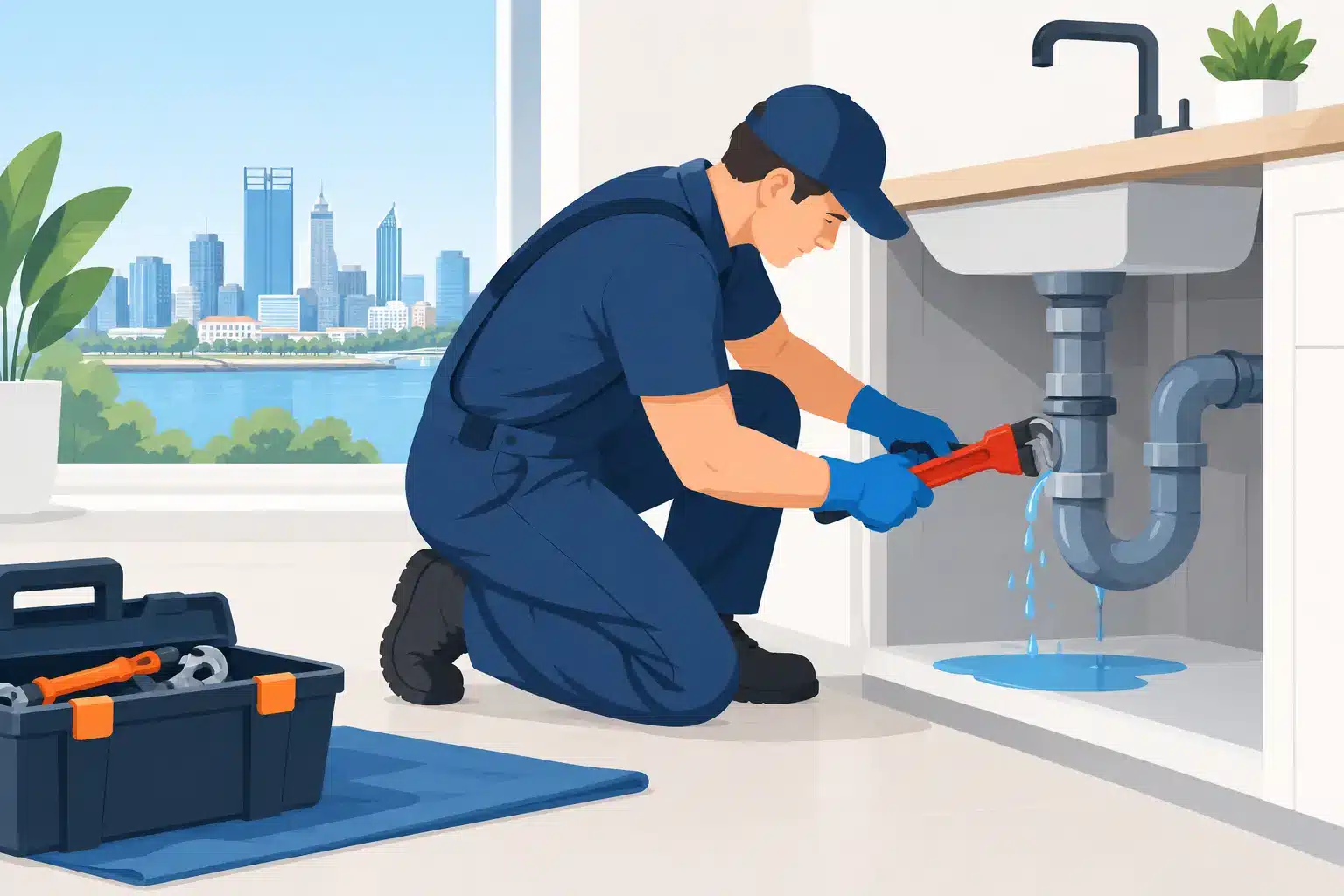
A burst pipe can turn a normal morning, quiet weekend, or busy workday into a property emergency within minutes. When water is spreading through a ceiling, wall, storeroom, or office, burst pipe repair Perth property owners can depend on is about more than stopping the visible leak. It means finding the failed section, protecting the building, and completing a repair that will hold up after the plumber leaves.
Water does not need long to cause costly damage. It can soak plasterboard, flooring, insulation, cabinetry, stock, electrical areas, and personal belongings. For landlords, strata managers, and business owners, a burst pipe can also mean tenant disruption, access issues, and potential damage to neighboring lots. Fast action matters, but so does getting the repair done right the first time.
What to Do When a Pipe Bursts
Your first priority is to reduce the flow of water safely. If you can access the property’s main water shutoff valve without entering a flooded or unsafe area, turn it off. The valve is often near the water meter, at the front of the property, or close to where the water service enters the building. In apartments, commercial premises, and larger strata sites, the isolation point may be in a service cupboard, plant room, or shared area.
If water is near power outlets, appliances, switchboards, or exposed wiring, do not step into the affected area or attempt to handle electrical equipment. Keep people clear and arrange urgent professional assistance. Move valuables, documents, and portable furniture away from the water only when it is safe to do so.
Avoid trying to solve a burst pipe with tape, putty, clamps, or a temporary patch. These products may reduce dripping for a short time, but they do not address corrosion, pipe movement, failed joints, excessive pressure, or damage elsewhere in the line. A temporary fix can also conceal an ongoing leak inside a wall or ceiling.
Once the water is isolated, a licensed plumber can assess the problem, control remaining water, and determine the most reliable repair method. If the burst has occurred after hours or is causing active damage, treat it as an emergency rather than waiting for regular business hours.
Why Pipes Burst in Perth Properties
Pipes do not usually fail without a reason. Sometimes the cause is obvious, such as accidental damage during renovation work. More often, the visible split is the final result of a problem that has been developing over time.
Older pipes can corrode internally or externally until the pipe wall becomes too thin to withstand normal water pressure. Galvanized steel pipework, aging copper lines, and poorly installed plastic pipe systems can all develop weak points. A pinhole leak may appear minor at first, then open into a substantial rupture.
Water pressure is another common factor. Excessive pressure places constant strain on pipes, flexible connectors, valves, and joints. A repair that simply replaces the damaged section without checking the pressure may not prevent another failure. Where pressure is contributing to the issue, the plumber may recommend pressure testing or a suitable pressure-limiting solution.
Movement can also damage pipework. Pipes installed without proper support may rub against framing, expand and contract, or place stress on fittings. In roof spaces, under floors, behind walls, and within commercial service areas, these faults can remain hidden until water escapes.
For strata and commercial properties, shared services add another layer of complexity. The failed pipe may be part of a common water line, a tenant connection, fire service infrastructure, or an aging network with multiple weak sections. A proper diagnosis helps clarify the source of the fault and the work needed to prevent ongoing disruption.
Burst Pipe Repair Perth That Looks Beyond the Leak
A quality burst pipe repair starts with making the area safe and isolating the affected water line. From there, the plumber needs to identify exactly where the pipe has failed and why. That may involve inspecting accessible pipework, checking nearby joints and fittings, testing water pressure, or using current leak detection equipment where the source is hidden.
The right repair depends on the pipe material, location, age of the plumbing, and condition of surrounding sections. In some cases, replacing a short damaged length with compatible materials is the most sensible option. In others, the pipe may be so deteriorated that a larger section needs replacement. If a line has failed repeatedly, rerouting or renewing it can be a better long-term investment than continuing to patch isolated points.
This is where the cheapest immediate option is not always the best value. A small repair may cost less on the day, but it can lead to another emergency if the rest of the line is corroded or under pressure. A licensed plumber should explain what has failed, what the repair involves, and whether there are any conditions that could cause repeat problems.
After the work is completed, the repaired line should be tested before the area is restored. This confirms that the repair is watertight and that the system is operating as expected. For concealed leaks, it is also worth monitoring the affected area afterward for signs of remaining moisture, staining, or reduced water pressure.
Hidden Burst Pipes Need Fast Investigation
Not every burst pipe announces itself with water pouring across the floor. A pipe behind a wall, under a slab, in a ceiling cavity, or below flooring may leak for some time before it becomes obvious. By then, the signs may include a damp smell, unexplained water bills, bubbling paint, warped flooring, mold growth, ceiling stains, or a sudden drop in water pressure.
These symptoms should not be ignored, particularly in rental properties, commercial spaces, and strata buildings where water can travel beyond the original point of failure. The longer hidden water damage continues, the more difficult and expensive it can be to repair.
Professional leak detection and targeted investigation can reduce unnecessary damage to walls, floors, and landscaping. Rather than opening large areas based on guesswork, an experienced plumber can use the evidence on site to locate the likely source and plan access carefully. There are times when opening a wall or floor is unavoidable, but the goal should be to keep disruption proportionate to the repair required.
Protecting Your Property After the Repair
Once the pipe has been repaired, the plumbing work may be only one part of the recovery. Water-damaged materials need prompt attention. Wet carpets, insulation, cabinetry, plasterboard, and timber can retain moisture even when the surface appears dry. Depending on the extent of the leak, professional drying or restoration may be needed to reduce the risk of mold and further material damage.
For landlords and property managers, clear records are useful. Note when the leak was discovered, what areas were affected, when the water was isolated, and what repairs were completed. This can help with tenant communication, maintenance planning, and any insurance process.
For businesses, a burst pipe response should also consider continuity. Water supply may need to remain off while repairs are underway, and affected areas may need to be isolated from staff or customers. A practical plumbing team will work to minimize downtime while keeping safety and repair quality ahead of shortcuts.
When Same-Day Plumbing Service Makes a Difference
A burst pipe is not a problem to leave on a maintenance list for next week. Even after the main water is shut off, the property may have residual water, damaged pipework, and an uncertain cause. Prompt attendance helps limit damage and gives you a clear plan for the repair.
Everyday Plumbers provides licensed, insured, police-cleared local tradespeople for urgent residential, commercial, and strata plumbing issues across Perth. With the right equipment and a focus on long-term plumbing solutions, the aim is not to apply a band-aid fix, but to repair the fault properly and give property owners peace of mind.
If you have a burst pipe, shut off the water if it is safe to do so, keep clear of electrical hazards, and arrange professional help promptly. Acting early can protect far more than the pipe itself.



Leave A Comment