
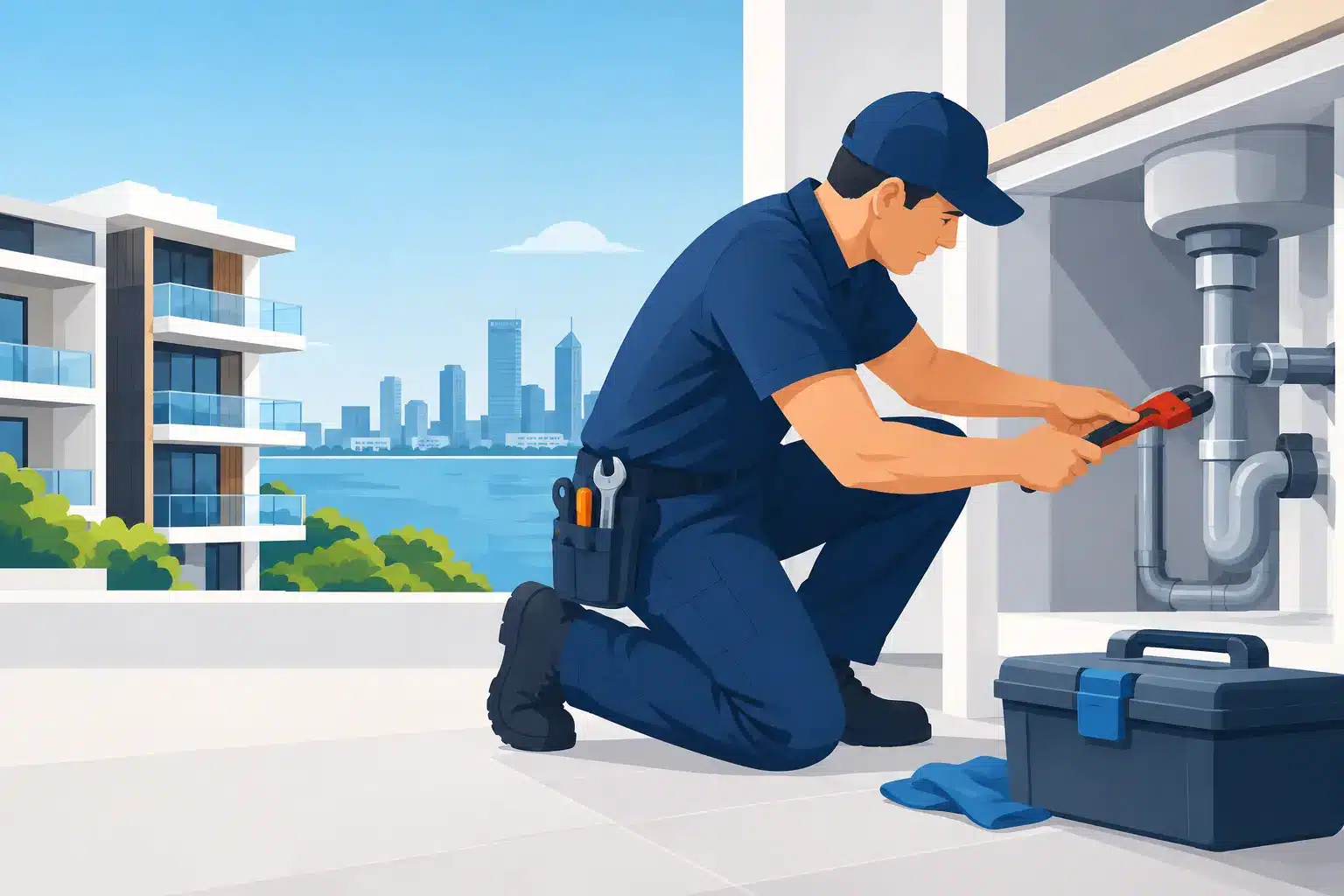
A leaking pipe in a single apartment can quickly become a problem for the whole building. Water can travel through ceilings, wall cavities, parking areas, and shared services before anyone sees the source. That is why strata plumbing Perth requires more than a quick patch. It requires prompt diagnosis, clear communication, and repairs that protect residents, common property, and the strata budget.
For strata managers, council members, and property owners, plumbing issues often arrive with competing priorities. Residents need the problem fixed quickly, access may need to be coordinated, and the repair must be appropriate for the building and its long-term condition. A qualified local plumber helps bring order to that situation.
Why Strata Plumbing Is Different
Strata properties have shared systems, private lots, common areas, and service routes that are not always obvious. A blocked drain may affect one ground-floor unit, but its cause could be in a common sewer line. A ceiling leak may appear in one apartment while the failed pipe is located in the lot above or inside a shared riser.
Responsibility can depend on the strata plan, bylaws, pipe location, and the nature of the fault. It is not always as simple as deciding that the nearest unit is responsible. Before authorizing major work, a plumber should identify where the failure is occurring and provide practical information that helps the strata manager determine the next step.
The same applies to water pressure, hot water, stormwater, gas lines, backflow devices, and drainage systems. Older apartment blocks, townhome complexes, and mixed-use sites may have aging infrastructure or changes made over decades. The visible problem is often only part of the story.
Common Strata Plumbing Problems in Perth
Blocked drains are one of the most disruptive issues in strata buildings. Shared drains can collect grease, sanitary products, wet wipes, tree roots, silt, and debris over time. When a blockage is left unresolved, wastewater can back up into units or common areas, creating a hygiene issue and an urgent maintenance problem.
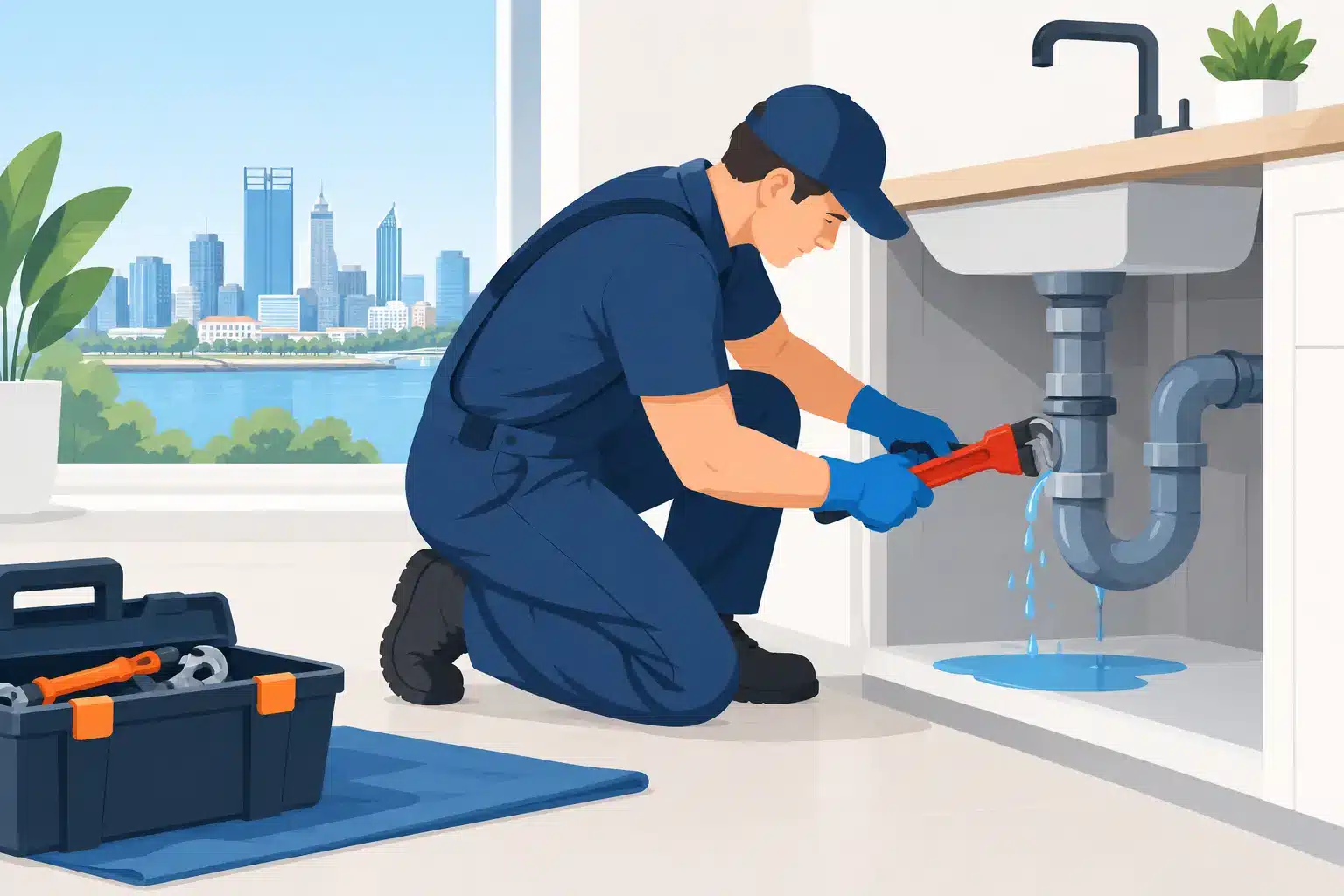
Leaks are another frequent concern. A dripping tap may seem minor, but hidden leaks in walls, ceilings, or underground lines can cause water damage, mold growth, increased water bills, and conflict between affected residents. Leak detection equipment can help locate the source without unnecessary damage to finishes.
Burst pipes and failed flexible hoses need immediate attention. Water should be isolated quickly, followed by a proper inspection of the failed component and surrounding pipework. Replacing one failed fitting may restore service, but a good plumber will also consider whether corrosion, excessive pressure, poor installation, or aging materials make another failure likely.
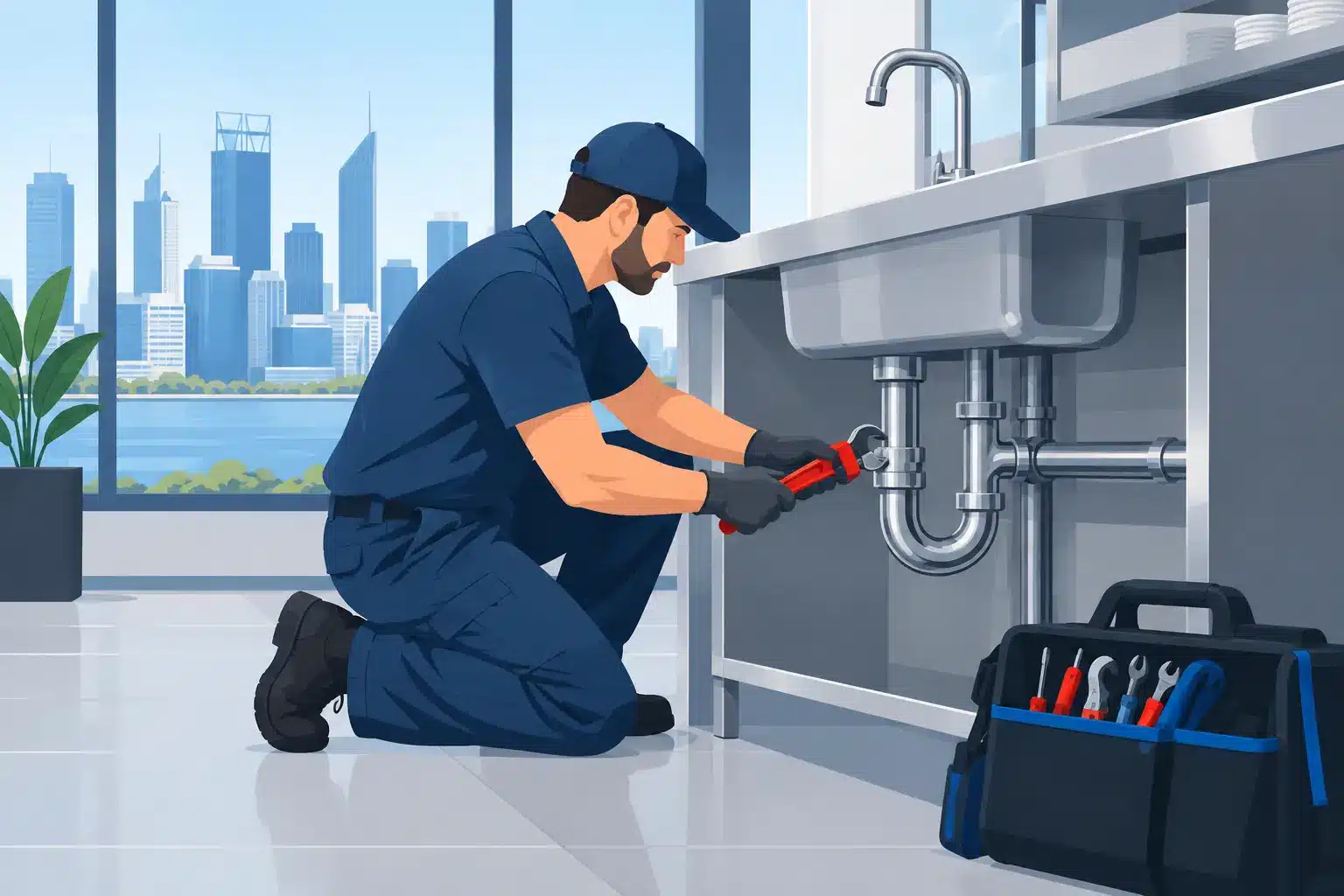
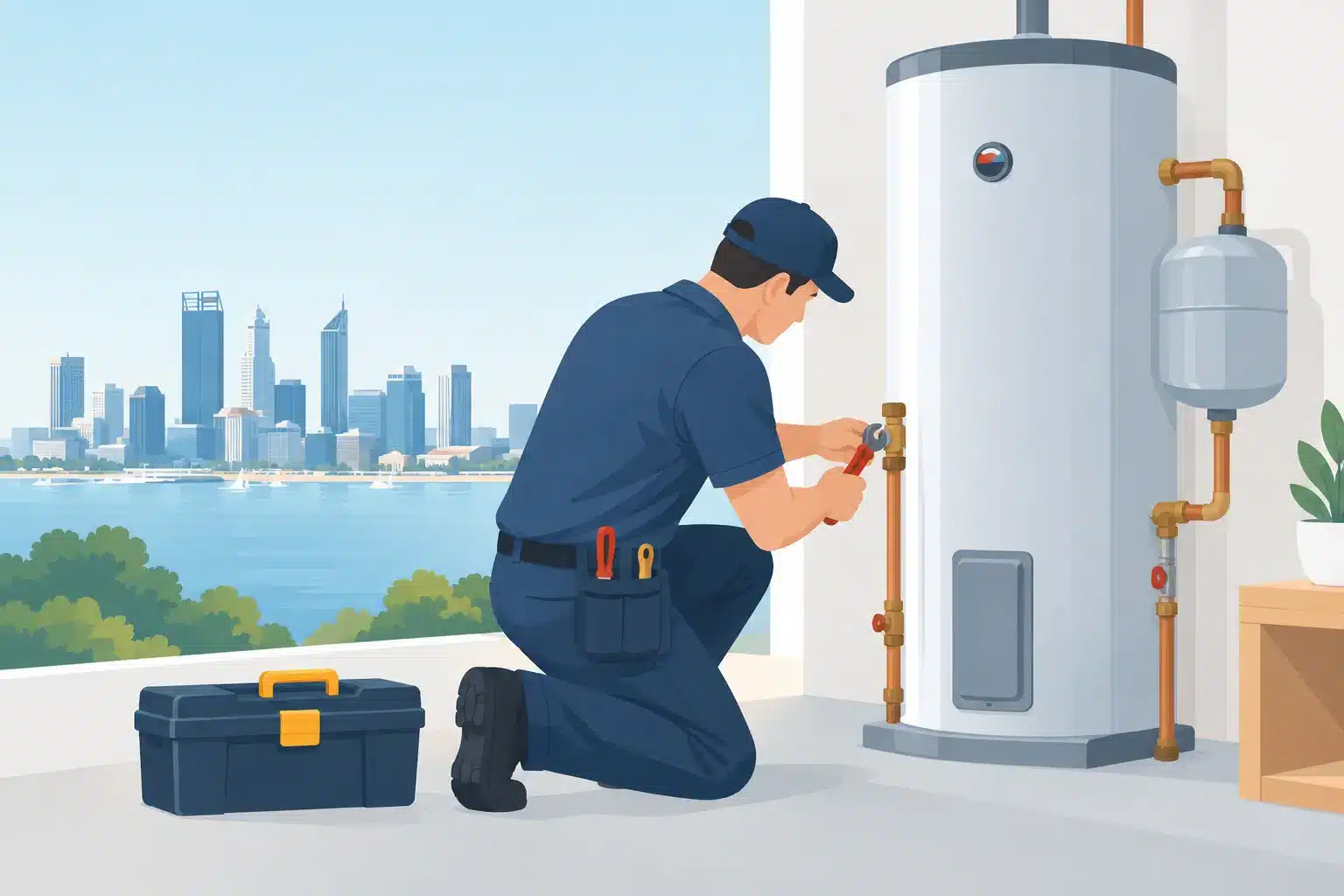
Strata managers also commonly deal with hot water problems, leaking toilets, stormwater drainage, gas faults, and backflow compliance. These issues vary in urgency, but all benefit from a licensed plumber who can assess the condition of the system, explain the repair options plainly, and complete work safely.
What Good Strata Plumbing Perth Service Looks Like
A dependable strata plumbing service starts with attendance and communication. When water is leaking or a drain is overflowing, residents need to know someone is responding. For urgent faults, same-day or emergency assistance can limit damage and reduce disruption to the building.
Once on site, the plumber should investigate before recommending a repair. That may involve drain camera inspections, pressure testing, leak detection, pipe location, or checking nearby fixtures and shared lines. The goal is to fix the cause, not simply remove the immediate symptom.
Clear reporting matters just as much. Strata managers need useful information they can pass on to owners, committees, insurers, or building managers. A practical report should identify the fault, explain the work completed, note any concerns found during the inspection, and outline recommended follow-up work where needed.
For larger repairs, access and timing are part of the job. Work may need to be scheduled around tenant availability, business hours, parking access, elevators, or noisy-work restrictions. An experienced plumbing team understands that a technically correct repair still needs to be managed in a way that respects the people using the property.
Repairs Should Solve the Cause, Not Hide It
Temporary repairs have a place during an emergency. Stopping an active leak or restoring a blocked toilet quickly can prevent further damage. But once the immediate risk is controlled, the underlying issue should be assessed properly.
For example, repeatedly clearing the same drain without inspecting it can leave tree roots, damaged pipework, or an incorrect pipe grade untreated. Replacing a section of pipe without checking adjoining sections may not address widespread deterioration. The right repair depends on the diagnosis, the age of the building, the condition of the system, and the likely cost of repeat callouts.
Long-term plumbing solutions are usually more cost-effective than recurring band-aid fixes. They also give strata councils clearer information for maintenance planning and capital works decisions.
Preventive Maintenance Reduces Emergency Callouts
Not every plumbing problem can be predicted, but planned maintenance can reduce the chance of major disruption. Drain inspections are particularly useful for properties with mature trees, recurring blockages, commercial kitchens, or a history of overflow events. Regular cleaning and camera inspections can identify root intrusion, buildup, cracked pipes, and early signs of collapse.
Other useful maintenance work may include checking common-area taps and toilets, testing backflow devices where required, inspecting exposed pipework, reviewing stormwater drains before heavy rain, and addressing minor leaks before they damage building materials. The right maintenance schedule depends on the size, age, and use of the property.
A small townhouse complex will not need the same approach as a high-rise building with underground parking, shared hot water, landscaped grounds, and retail tenancies. A plumber should recommend work based on actual risks, not a one-size-fits-all checklist.
Choosing a Plumbing Partner for Your Strata Property
Strata plumbing involves access to private homes, shared facilities, and sometimes sensitive building systems. It makes sense to choose a company with licensed and insured tradespeople, current equipment, and experience working across residential and commercial properties.
Ask whether the plumber can manage both urgent repairs and planned maintenance. Consistency matters when a contractor understands the building history, recurring issues, access procedures, and the expectations of the strata manager. Police-cleared staff can also provide additional peace of mind when work needs to be completed inside occupied units.
It is also worth looking for a team that communicates in plain language. Committees and owners do not need unnecessary technical jargon. They need to know what happened, what was repaired, what may happen next, and whether further work is recommended.
Everyday Plumbers has served Perth since 1984, providing licensed plumbing and gas-fitting support for strata properties, homes, and businesses. The focus is practical: attend promptly, identify the fault accurately, and complete repairs to a standard that helps prevent repeat problems.
When to Call a Plumber Straight Away
Some problems should not wait for the next scheduled maintenance visit. Call for urgent help when there is active water leaking through ceilings or walls, sewage backing up, a burst pipe, no usable hot water for multiple residents, a suspected gas leak, or flooding in common areas or parking spaces.
If safe to do so, isolate the affected water supply and keep people away from wet electrical areas. For a suspected gas leak, avoid flames and electrical switches, move away from the area, and seek urgent professional assistance. Fast action can protect people, property, and the building’s operations.
A well-managed strata property does not need to have every answer before making the call. It needs a plumbing partner who can arrive prepared, find the real problem, and give the committee confidence about what should happen next.



Leave A Comment