
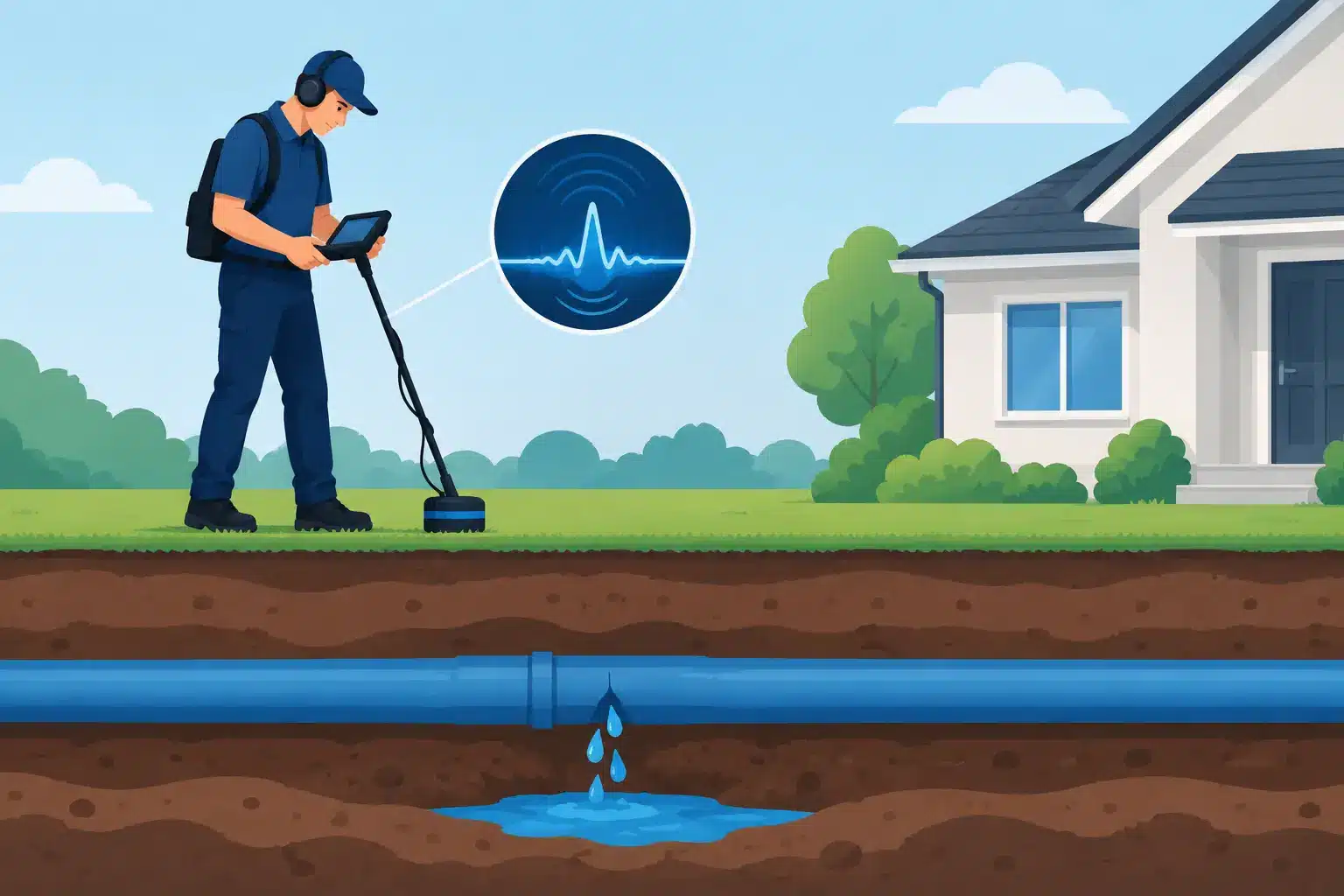
A hidden water leak can waste thousands of gallons before there is an obvious wet patch, burst pipe, or loss of water pressure. For Perth property owners, the first signs are often a water bill that suddenly climbs, a water meter that keeps moving when every fixture is off, or damp ground that never seems to dry. To detect underground water leaks accurately, a licensed plumber needs more than a quick visual check. The goal is to find the precise fault, confirm its cause, and carry out a repair that will last.
Why underground leaks need prompt attention
Water escaping below a concrete slab, driveway, lawn, or commercial floor does not simply disappear. It can soften soil, undermine paving, damage foundations, affect nearby pipework, and create damp conditions inside a building. If the leak is on the supply side of the meter, it may also drive up water use without any visible plumbing issue indoors.
The longer the problem continues, the more complicated the repair can become. A small pinhole in an aging water line may be relatively straightforward to repair when found early. Left unchecked, the same leak can wash away supporting soil or expose a wider section of deteriorated pipe that needs replacement.
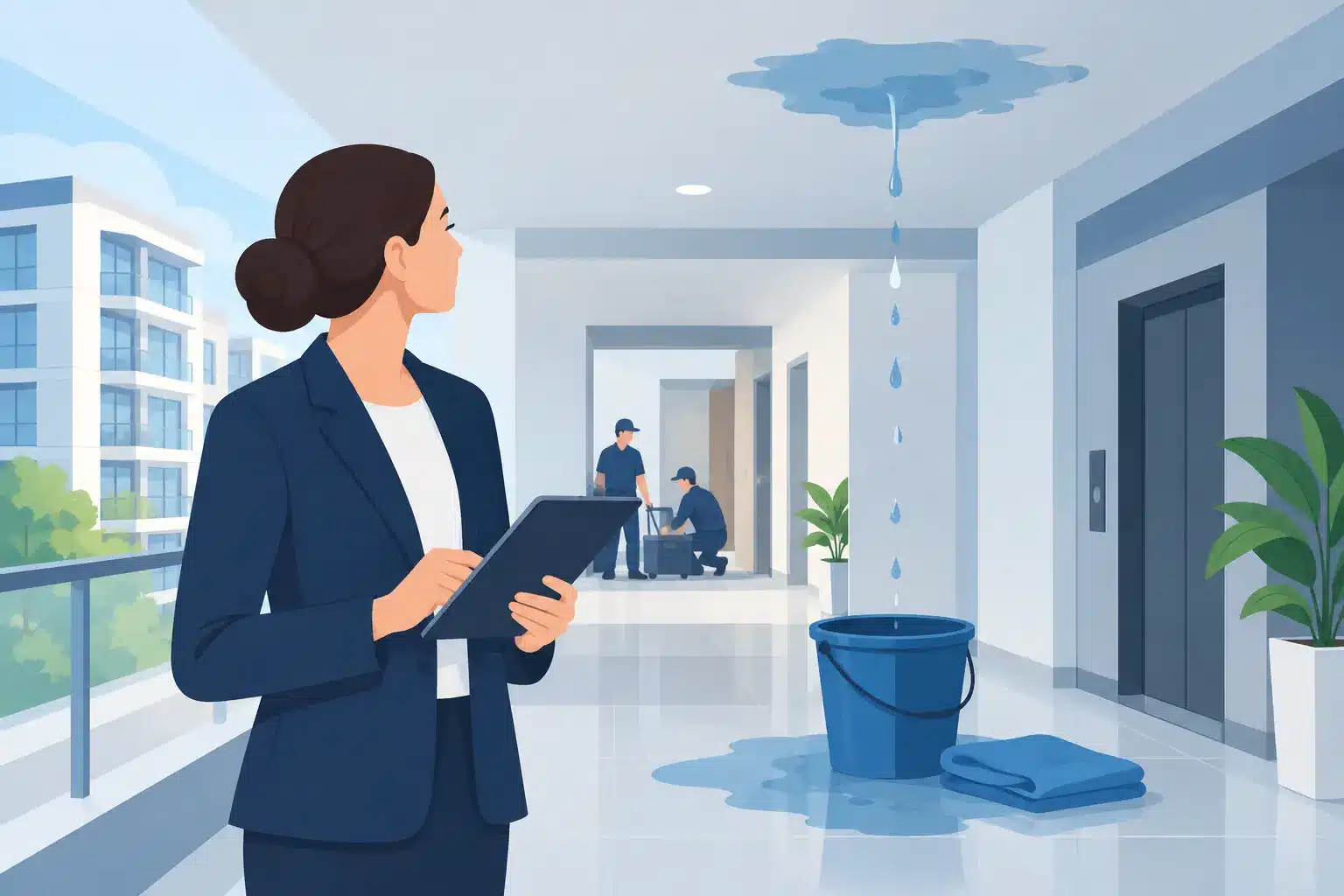
For landlords, strata managers, and business owners, a hidden leak can also become a disruption issue. Water damage, unsafe surfaces, tenant complaints, and interrupted trading can quickly turn a plumbing fault into a property management problem. Fast, accurate diagnosis helps limit both the repair scope and the interruption.
Signs you may have an underground water leak
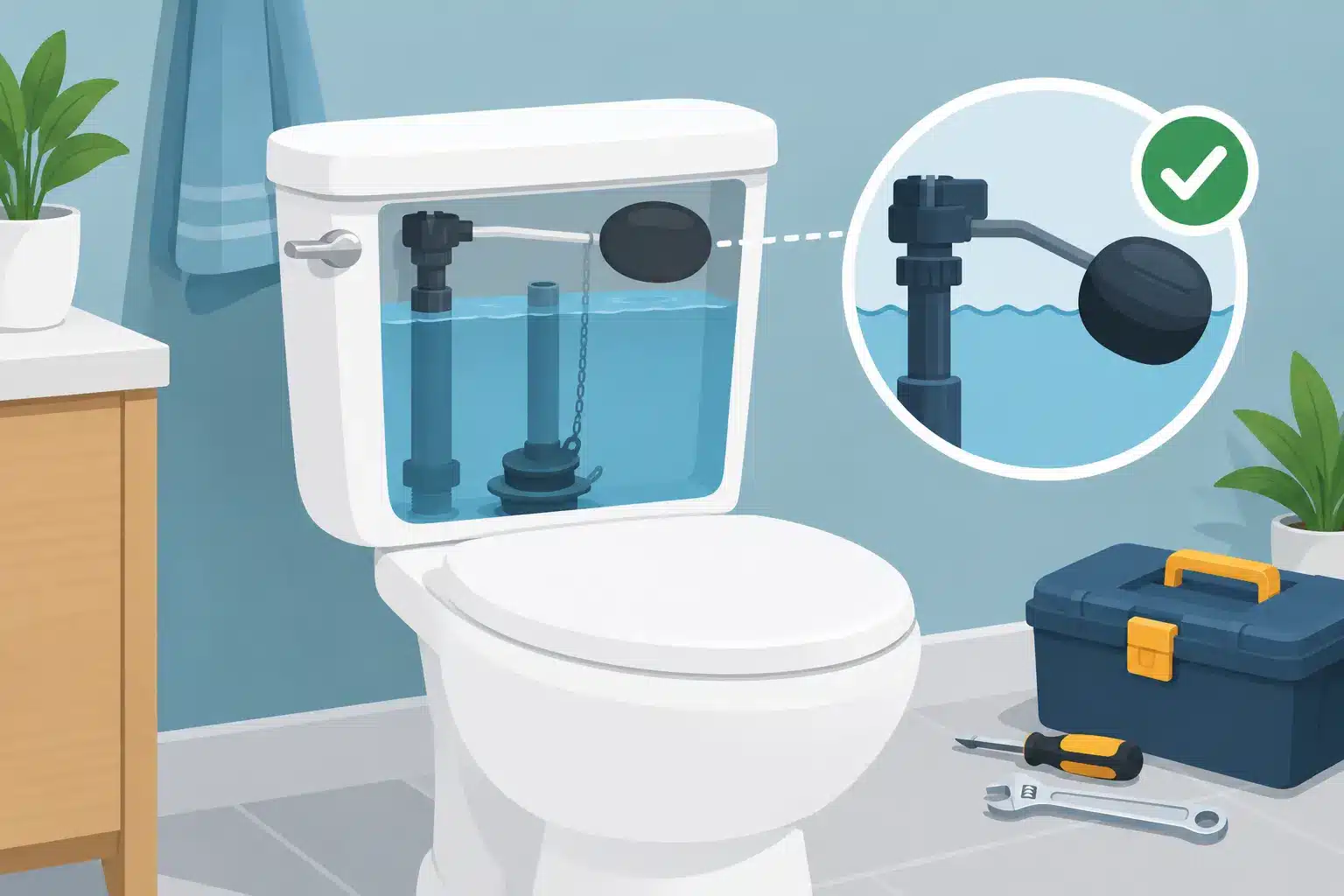
Not every high water bill means there is a buried pipe leak. Seasonal watering, a running toilet, irrigation faults, and leaking fixtures are also common causes. However, the following signs warrant a professional investigation, particularly when several occur together.
A water meter that continues to register use after taps, appliances, irrigation, and toilets have been checked is one of the clearest indicators. Low or inconsistent water pressure can also point to a supply leak, especially if it affects more than one fixture. In some cases, you may hear a faint hissing or rushing sound near a floor, wall, or outdoor pipe route.
Outside, look for a persistently green or fast-growing patch of grass, soft ground, unexplained puddles, or water emerging near a driveway or retaining wall. Inside, warm areas on a floor, cracked tiles, damp carpet edges, moldy smells, or moisture along a slab can indicate a concealed hot- or cold-water leak.
These signs do not identify the exact location or the condition of the pipe. Digging based on a guess can damage services, landscaping, and paving while adding unnecessary cost. Professional leak detection is designed to narrow the search before any access work begins.
How professionals detect underground water leaks
A dependable leak investigation starts with plumbing knowledge, not just a device. The plumber will ask when the issue began, review the water meter, inspect visible pipework and fixtures, and consider the age and layout of the property. This initial assessment helps separate a likely underground fault from common internal leaks.
Meter testing and isolation
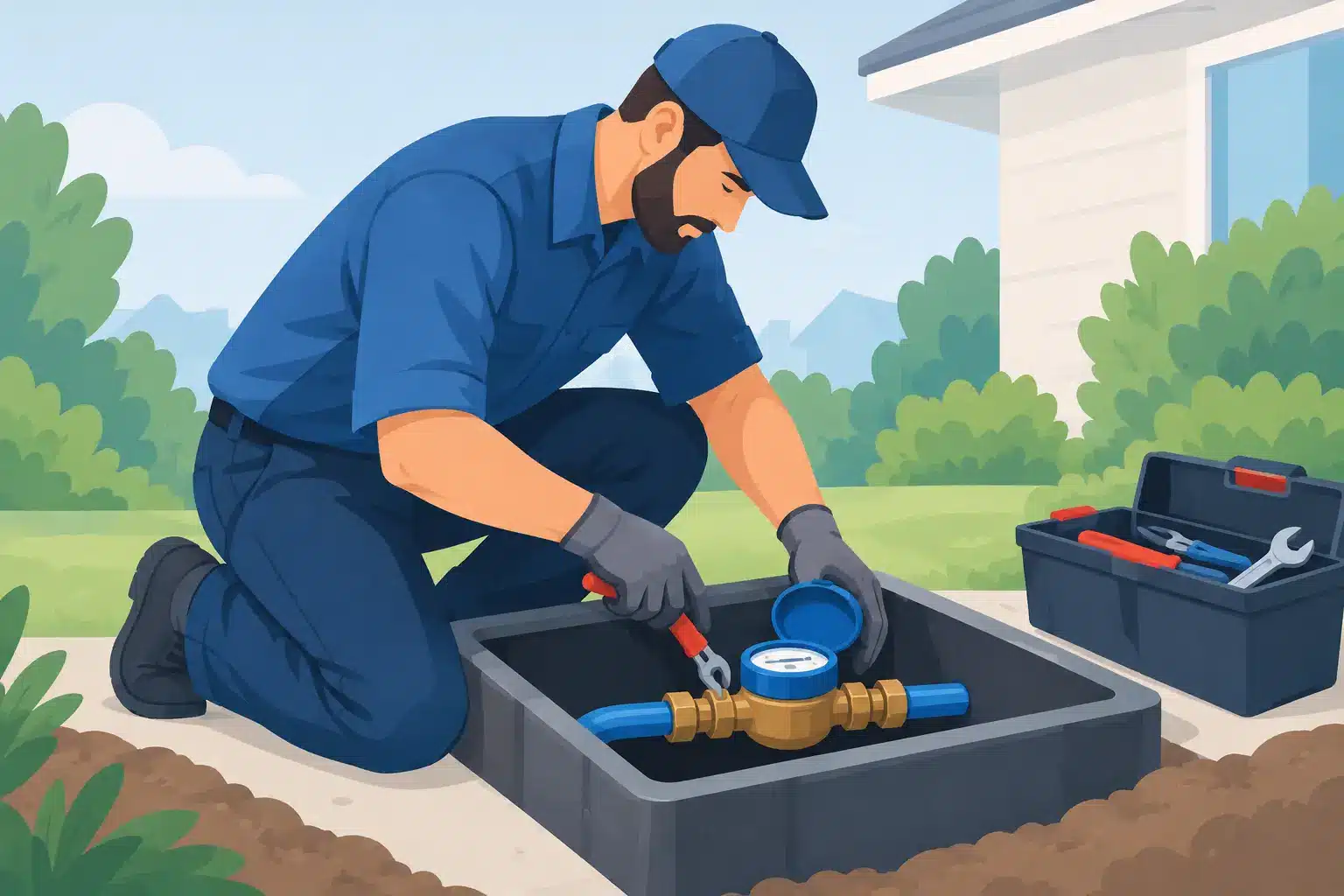
The meter is often the first useful diagnostic point. A plumber can check whether the meter moves while water use is isolated, then progressively isolate parts of the plumbing system where possible. This helps determine whether water loss is likely occurring on the supply line, within the building, or through irrigation or another connected system.
This process matters because an underground leak may sit between the meter and the home, beneath a slab, or on a separate line feeding an outbuilding or commercial area. Identifying the affected section avoids treating the wrong problem.
Acoustic leak detection
Pressurized water escaping from a pipe creates sound and vibration. Specialized acoustic equipment can pick up those signals through soil, concrete, and hard surfaces. A trained operator listens for changes in frequency and intensity to pinpoint the likely location of the leak.
Acoustic testing works well for many pressurized water-line leaks, but results depend on the pipe material, depth, surrounding ground, and background noise. Plastic pipes, heavy traffic, and complex building structures can make the signal less clear. That is why experienced plumbers combine acoustic results with other tests rather than relying on one reading alone.
Thermal imaging and moisture testing
Thermal imaging can identify unusual temperature patterns, particularly where hot water is leaking beneath a slab or floor. A warm area may reveal where heated water is spreading below the surface. Moisture meters can then help confirm whether nearby building materials have been affected.
These tools are useful indicators, not automatic proof of a pipe break. Sun exposure, underfloor heating, drainage problems, and normal temperature changes can affect readings. A qualified plumber interprets the results alongside pressure tests, meter behavior, and the property’s pipe layout.
Pressure testing and tracer methods
Pressure testing checks whether a closed water line is losing pressure over time. It can confirm that a leak exists and help identify which line is affected. Where conditions allow, tracer gas or other specialized methods may be used to locate very small or difficult-to-find leaks without broad excavation.
The right method depends on the building, pipe material, accessibility, and suspected leak location. A residential home with a leak under a front lawn requires a different approach from a strata complex with buried shared services or a commercial site with concrete floors and active operations.
Why accurate location saves money and disruption
The best leak repair is not always the one involving the smallest hole in the ground. Once the leak is located, the plumber should assess the pipe’s overall condition and the cause of failure. If a single fitting has failed on otherwise sound pipework, a targeted repair may be the sensible long-term option. If corrosion, poor installation, movement, or aging materials are affecting several areas, replacing a section of line may prevent another emergency soon after.
This is where a short-term patch can become expensive. Repeated callouts, damaged paving, and recurring water loss often cost more than addressing the underlying pipe condition properly. A clear diagnosis should explain what was found, what repair options are available, and whether there is a risk of further failures elsewhere in the system.
For commercial and strata properties, planning is equally important. Access requirements, tenant communication, shutdown times, safety controls, and reinstatement of surfaces should be considered before work starts. The objective is to restore reliable service with as little disruption as practical, not simply to stop the visible symptom.
What to do while waiting for a plumber
If you suspect a major leak, reduce water use immediately. If water is surfacing rapidly, entering the building, affecting electrical areas, or causing ground movement, turn off the property’s main water supply if it is safe to do so. Keep people away from soft or unstable ground and avoid operating electrical equipment near standing water.
Take note of your water meter reading and any visible signs, such as the location of damp ground or changes in water pressure. This information can help the plumber assess the problem faster. Avoid digging, cutting concrete, or attempting to repair buried pipework yourself. Underground services can be damaged easily, and an incorrect repair may leave the original leak unresolved.
A licensed and insured plumber should also check for related issues after the repair, including pressure regulation, pipe support, water damage, and the condition of connected lines. That extra step is what helps turn an emergency response into a long-term plumbing solution.
When a hidden leak is suspected, Everyday Plumbers can investigate the fault with the right equipment and practical repair advice for Perth homes, businesses, and managed properties. Acting early gives you the best chance to protect the property, control water costs, and have the repair done right the first time.



Leave A Comment