
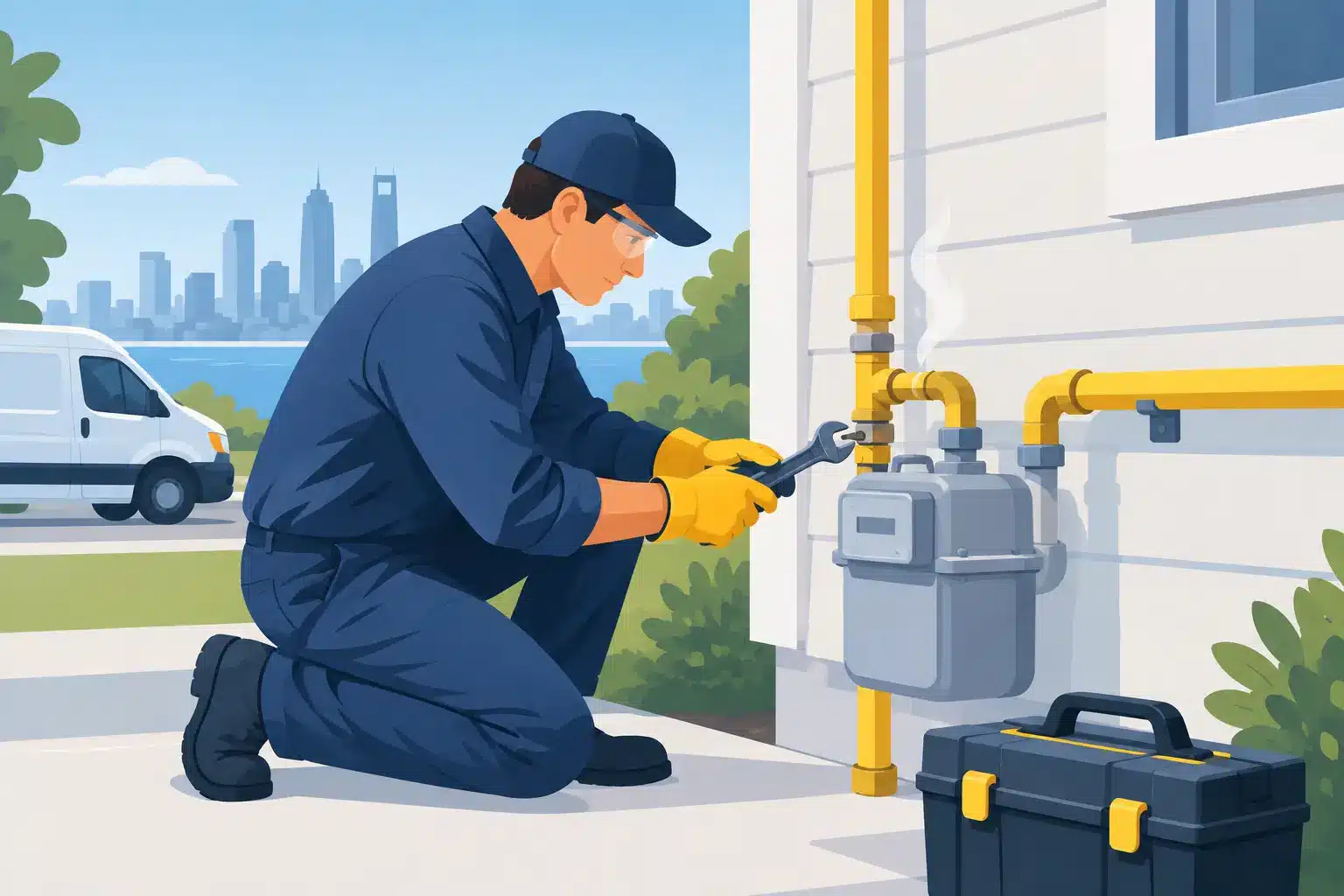
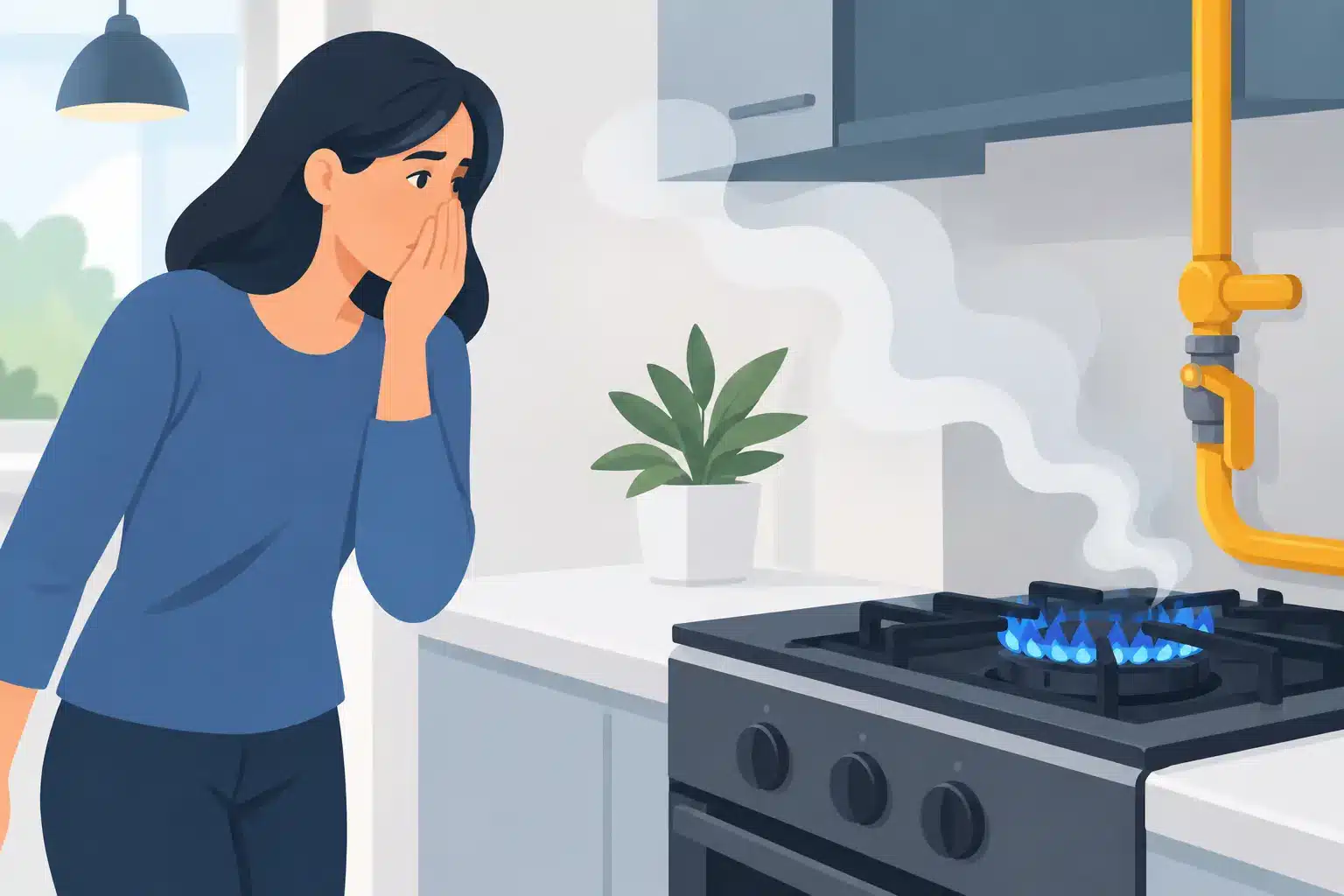
That sulfur-like or rotten-egg smell near a gas appliance is not a problem to put off until tomorrow. Gas leak repair Perth property owners need is a safety-critical job: the source must be found, the gas supply made safe, and the repair tested properly before the system is used again.
A gas leak may come from a cooktop connection, hot water system, heater, outdoor BBQ point, damaged pipework, or a failed fitting hidden behind a wall or under a floor. Some leaks are obvious. Others are small enough to go unnoticed until a higher gas bill, dying plants near an external line, or an appliance that is not operating as it should raises concerns.
The right response is calm, prompt, and professional. Do not try to locate or fix a suspected gas leak yourself.
What to Do If You Suspect a Gas Leak
If you can smell gas inside or outside your property, treat it seriously. Turn off the gas supply at the meter only if it is safe to do so and you know where the isolation valve is. Open doors and windows as you leave the area, but do not create sparks or flames.
Avoid using electrical switches, appliances, garage-door openers, fans, phones near the suspected leak, cigarettes, lighters, or vehicles close to the area. Do not start a car in an attached garage. A small spark can be enough to ignite accumulated gas.
Once you are a safe distance away, contact a licensed gasfitter for urgent assistance. If there is a strong odor, a hissing sound, fire, anyone feels unwell, or there is an immediate risk to people or property, call emergency services on 000 first.
For businesses, strata buildings, and rental properties, notify the appropriate site contact or property manager after the immediate safety steps have been taken. The priority remains keeping tenants, staff, customers, and residents away from the affected area until it has been assessed.
Signs You May Need Gas Leak Repair in Perth
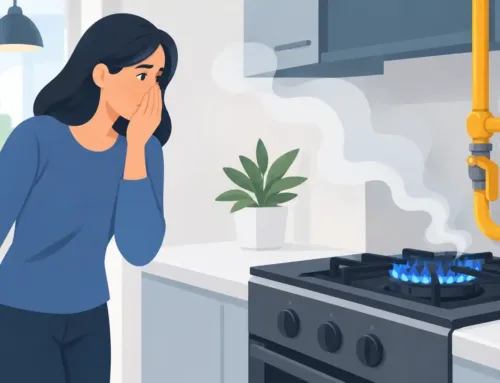
The smell added to natural gas is the most recognized warning sign, but it is not the only one. Gas is odorized to help people detect a leak, yet odors can be intermittent or less noticeable outdoors. Pay attention to changes around gas appliances and pipework.
Common warning signs include:
- A sulfur or rotten-egg odor near an appliance, gas meter, or outdoor gas line
- Hissing or whistling around a pipe, valve, regulator, or appliance connection
- Pilot lights that repeatedly go out, lazy yellow flames, or appliances that perform poorly
- An unexplained rise in gas use when household or business habits have not changed
- Dead or discolored vegetation around an external gas line
- Headaches, dizziness, nausea, or unusual fatigue when using gas appliances
Symptoms such as headaches or dizziness can have several causes, but they should never be dismissed where gas appliances are involved. Move into fresh air and seek urgent help if anyone is unwell. A licensed professional can determine whether the issue is a gas escape, an appliance fault, poor combustion, ventilation problems, or another concern.
Why a Licensed Gasfitter Is Essential
Gas repairs are not a general handyman task. The visible connection is not always the source of the problem, and tightening a fitting without proper testing can make matters worse or mask a fault temporarily.
A qualified gasfitter starts by assessing the system safely. This may involve isolating the supply, carrying out pressure testing, checking pipework and fittings, inspecting appliance connections, and using appropriate leak-detection equipment. The aim is to identify the actual cause, not simply stop the smell for the moment.
The repair needed depends on the location and condition of the fault. It could be a worn seal, deteriorated flexible hose, damaged copper line, failed regulator, loose appliance connection, or a fault within an appliance. Older homes, renovations, and properties with gas lines that have been altered over time can require more detailed investigation.
Once repairs are completed, the system needs to be tested before it is returned to service. That final check matters. It provides confidence that the leak has been addressed and that the system is operating safely, rather than leaving you with a short-term patch and a repeat callout.
Gas Leaks From Appliances vs. Gas Pipework
A leak at a cooktop, heater, oven, or hot water system can sometimes be limited to the appliance connection or internal component. In other cases, the appliance is not leaking gas but is burning it incorrectly. Poor combustion can create safety risks of its own and needs professional assessment.
Pipework leaks may occur at joints, buried sections, external runs, meter connections, or concealed lines. These jobs can be more involved because access may be limited. A proper diagnosis helps avoid unnecessary damage to walls, paving, gardens, or flooring while ensuring the affected section is repaired or replaced to a suitable standard.
For commercial kitchens, offices, retail sites, and strata properties, isolation and repair planning may need to account for operating hours, tenants, and shared services. A dependable plumber and gasfitter should explain the fault clearly, outline the work required, and help minimize disruption without compromising safety.
Do Not Rely on DIY Leak Checks
Some people have heard that soapy water can reveal bubbling around an exposed connection. While professionals may use approved methods as part of a wider testing process, this is not a substitute for qualified diagnosis. It cannot confirm the condition of concealed pipework, appliance components, regulators, or the entire gas installation.
Never use a flame to check for a leak. Do not tape over a gas line, replace fittings without the required qualifications, or continue using an appliance because the smell seems to have disappeared. Gas odors can change with airflow, and a leak may remain active.
The trade-off is simple: arranging an urgent inspection can feel inconvenient, especially after hours or when a business is busy. Continuing to use a suspected faulty gas system carries a far greater risk. Fast, correct repairs protect people, property, and continuity of operations.
Preventing Repeat Gas Problems
Not every gas leak can be predicted, but regular attention to appliances and visible connections can reduce the chance of a surprise fault. Have gas appliances serviced when recommended, particularly heaters and hot water systems that work hard through Perth’s cooler months. Keep external meter areas accessible and protect exposed pipework from impact, corrosion, and unauthorized alterations.
After renovations, landscaping, paving work, or a new appliance installation, make sure any gas work is completed and tested by a licensed professional. Damage can occur when digging near external services, while poorly installed appliances may develop issues long after the initial work is finished.
Landlords and strata managers should act quickly when tenants report gas smells, appliance concerns, or recurring pilot-light failures. Delayed action can turn a manageable repair into a larger safety issue and cause unnecessary disruption for occupants.
Professional Gas Leak Repair Perth Property Owners Can Trust
When a gas fault is suspected, clear communication and thorough workmanship make a real difference. Everyday Plumbers provides licensed, insured local tradespeople who can assess gas leaks, identify the cause, and complete repairs focused on long-term safety rather than a temporary band-aid fix.
Whether the concern is a leaking cooktop connection at home, a faulty hot water system, or gas pipework affecting a commercial or strata property, the work should be handled with the right equipment, appropriate testing, and care for everyone on site.
If something smells wrong, sounds wrong, or is not operating as it should, trust that instinct. Move to safety, avoid ignition sources, and arrange qualified help so the problem can be repaired properly before gas is used again.





Leave A Comment