
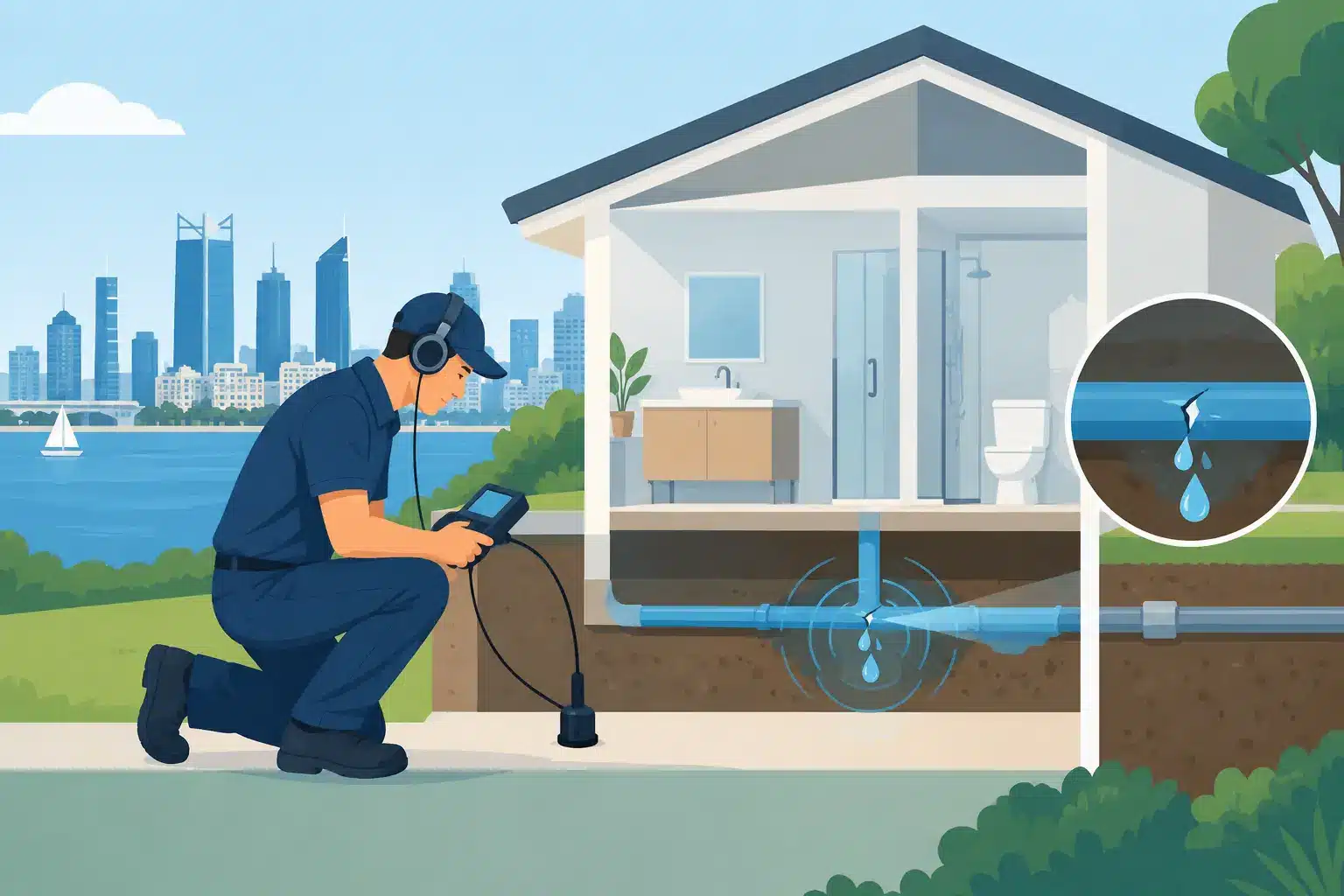
A water bill that rises without explanation is often the first warning. Hidden water leak detection Perth services are designed to find leaks behind walls, under concrete slabs, in ceilings, and beneath outdoor areas before a small fault becomes damaged flooring, mold growth, or a major plumbing failure.
A concealed leak is not always an emergency at the moment it starts. That is exactly what makes it expensive. Water can travel through building materials, soil, or cavities before it becomes visible, leaving the original leak point difficult to identify without the right testing equipment and plumbing experience.
Signs You May Have a Hidden Water Leak
Some leaks announce themselves with a dripping ceiling or a wet patch on the carpet. Others are quieter. Homeowners, landlords, business owners, and strata managers should take notice when there is a change that does not have a clear cause.
A higher-than-normal water bill is a common sign, particularly where water use has not changed. You may also notice the water meter moving when taps, appliances, and irrigation are off. Low water pressure, a hot area on a tiled or concrete floor, damp or discolored walls, bubbling paint, musty smells, or recurring mold can all point to water escaping from a concealed pipe.
Outside, unexplained green patches, soft ground, pooling water, or a constantly damp area near a wall or paved path can indicate an underground water leak. In Perth properties, leaks beneath concrete slabs and in buried supply lines can be especially hard to spot because the water may drain away rather than rise to the surface.
Not every damp area is a plumbing leak. Condensation, roof leaks, failing waterproofing, stormwater drainage problems, and air-conditioning discharge can create similar symptoms. A proper diagnosis matters because repairing the wrong issue wastes time and can leave the actual source untouched.
How Hidden Water Leak Detection in Perth Works
The objective is simple: locate the source as accurately as possible, then recommend a repair that addresses the cause rather than covering the symptom. The method depends on the building, pipe material, access, water use, and signs found on site.
A licensed plumber will usually start with a discussion of what has changed. When did the bill increase? Where is dampness appearing? Is the issue constant or only noticeable after water is used? For commercial and strata properties, patterns such as overnight meter movement, repeated maintenance requests, or water use between tenancies can provide useful clues.
Initial checks and pressure testing
The first stage often includes checking the water meter and isolating sections of the plumbing system where possible. A pressure test can help confirm whether the water service has lost integrity. This separates a genuine concealed leak from normal water consumption or a visible fixture issue.
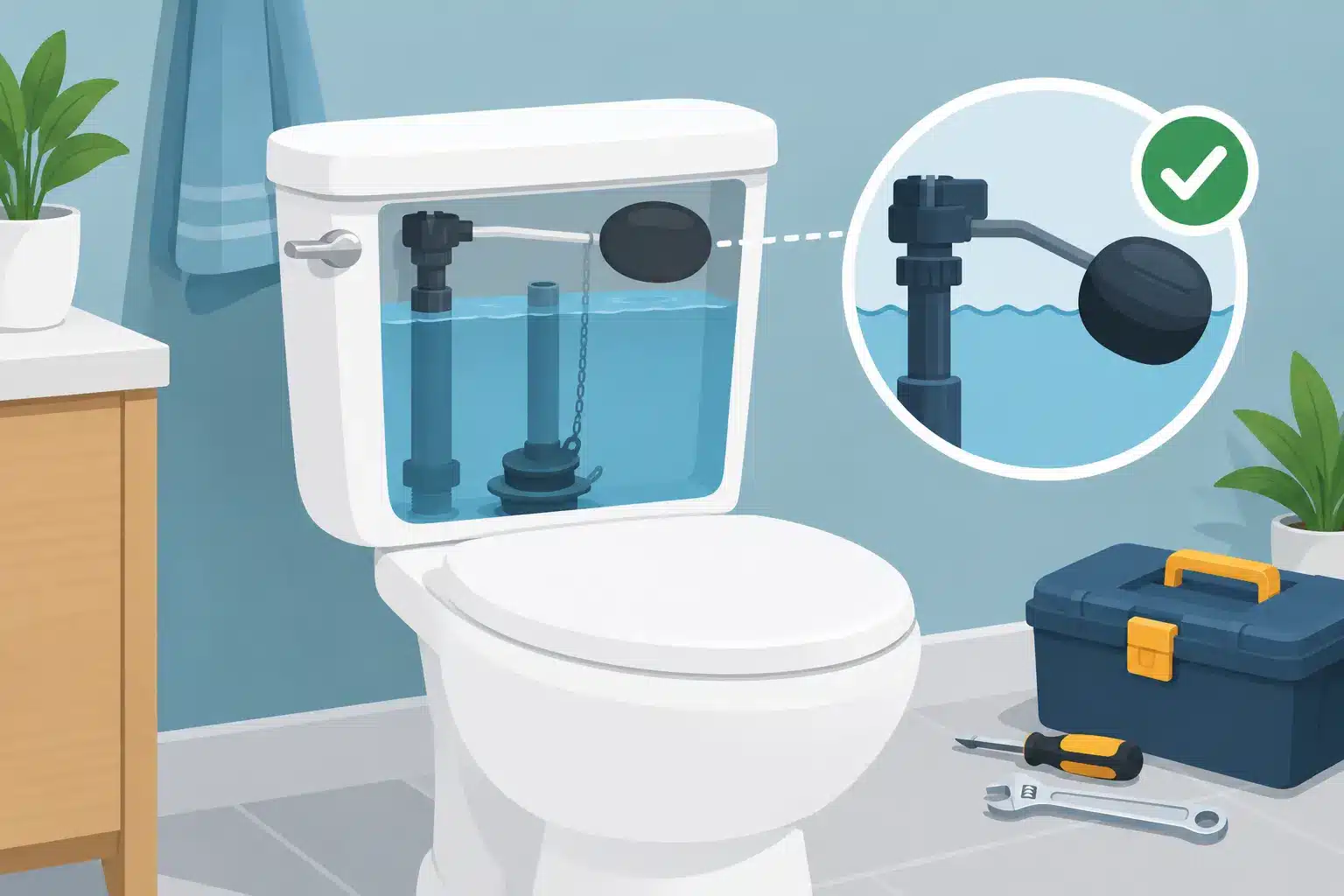
The plumber may also inspect accessible taps, toilets, flexi hoses, hot-water connections, valves, and irrigation lines. A continuously running toilet, for example, can waste a significant amount of water and look like an underground leak on a bill. Finding that distinction early avoids unnecessary excavation or invasive work.
Locating a concealed pipe leak
Once testing suggests a hidden leak, specialized equipment can narrow down its position. Acoustic leak detection equipment listens for the sound of pressurized water escaping from a pipe. Thermal imaging may help identify temperature differences caused by a hot-water leak behind a wall or below a floor. Moisture meters can show where building materials are holding water.
In some situations, tracer gas testing or camera inspections are appropriate. Camera work is particularly useful when the concern is a damaged drain rather than a pressurized water line. Drain leaks behave differently from supply leaks, and the repair approach is not the same.
No single tool suits every property. Dense concrete, deep pipes, traffic noise, multiple water lines, or extensive moisture can affect how clearly a leak can be pinpointed. An experienced plumber uses the test results together with the building layout and visible evidence to make a sound repair decision.
Why Fast Detection Protects More Than Your Water Bill
The extra cost on a bill is only part of the issue. A continuing leak can weaken cabinetry, damage plasterboard, lift flooring, stain ceilings, and create conditions that support mold. If water reaches electrical fittings or structural timber, the risk and repair scope can increase quickly.
For property managers and strata representatives, a hidden leak may affect more than one lot or common area. Delays can lead to tenant disruption, insurance questions, complaints, and difficult access arrangements. Early investigation helps establish whether the source is within a private unit, a common service line, a hot-water system, or another part of the property.
Commercial sites face their own pressures. Water loss can interrupt trading, affect customers, damage stock, or create slip hazards. A practical diagnosis and clear repair plan help reduce downtime while keeping occupants informed about any required water isolation or access work.
Repair Options Depend on the Leak Location
After the leak is found, the next question is how to repair it with the least disruption while still delivering a durable result. This depends on the age and condition of the pipework, the exact location, and whether other sections are likely to fail soon.
A localized leak in an accessible pipe may only need a section replaced. A leak beneath a slab might require targeted access through flooring or external concrete, followed by repair and reinstatement. In other cases, rerouting a water line around the affected area can be a better long-term option than repeatedly opening a slab.
For older properties with deteriorating pipework, repairing one fault may expose a wider problem. That does not always mean full replacement is necessary, but it is worth discussing the condition of the surrounding plumbing before choosing the cheapest immediate fix. A good plumber should explain the options, expected disruption, and reason for the recommended approach.
Temporary patches can have a place when water must be controlled urgently, but they should not be presented as a permanent repair when the underlying line is failing. The aim is to stop water loss and reduce the chance of a repeat callout.
What to Do When You Suspect a Leak
If water is actively entering a room, coming through a ceiling, or pooling near electrical equipment, avoid the affected area and arrange urgent plumbing help. If it is safe to do so, turning off the property’s main water supply can limit further damage. Do not cut into walls, lift flooring, or dig near underground services in an attempt to find the source yourself.
For a non-urgent but suspected leak, keep a record of meter readings, water bills, and when you first noticed changes. Photos of stains, damp patches, or surface water can also assist with the assessment. This information is useful, but it does not replace on-site testing.
Everyday Plumbers provides licensed, insured leak investigation and repair for homes, businesses, and strata properties across Perth. The focus is on finding the actual source, explaining the repair clearly, and completing work to a standard that holds up after the immediate problem is gone.
A hidden leak rarely improves with time. If your property is showing unexplained moisture, pressure changes, or rising water use, arranging a professional assessment now can protect the parts of the building you cannot see.







Leave A Comment