
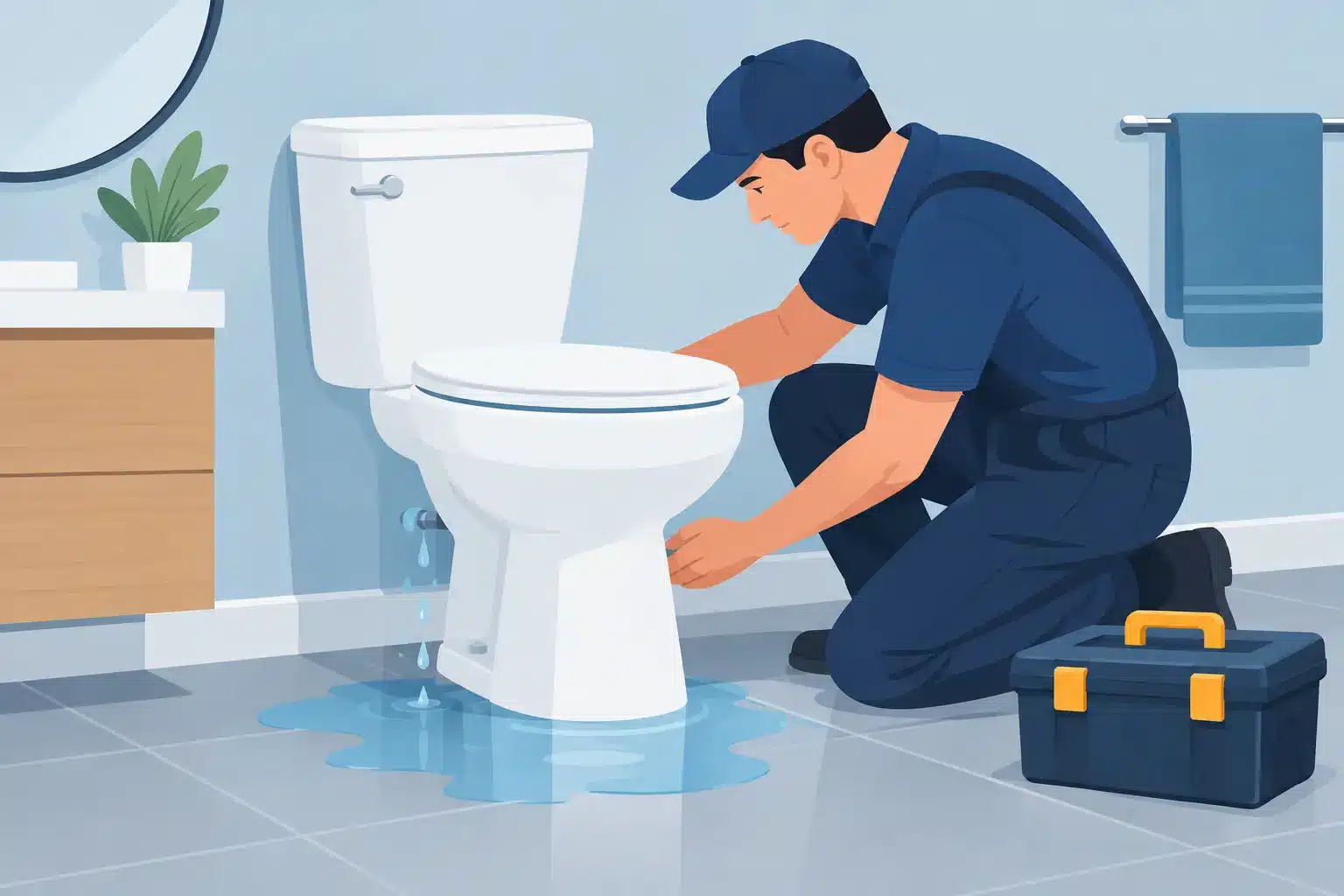
A toilet can leak quietly for days before it becomes obvious. You may notice a damp patch around the base, a tank that refills when nobody has flushed, water tracking down a wall, or a water bill that has climbed for no clear reason. Leaking toilet repair Perth property owners need is not just about stopping visible water. It is about identifying where the leak begins and repairing the cause before floors, cabinetry, ceilings, or neighboring tenancies are affected.
A toilet has several water connections and seals, so the source is not always where the water appears. A licensed plumber can inspect the fixture, test its operation, and complete a repair that is suited to the condition of the toilet and the plumbing behind it. That means less disruption now and fewer repeat problems later.
Why a leaking toilet should not wait
A small leak can cause substantial damage over time. Water escaping from a tank connection may run behind the toilet and soak into skirting boards. A failed seal at the base can allow water beneath tiles or vinyl flooring, where it may not be seen until the subfloor has deteriorated. In an upstairs bathroom, even a minor leak can eventually show up as staining or sagging in the ceiling below.
There is also a hygiene issue. Not every leak is clean supply water. Water around the base of the toilet, particularly after flushing, may indicate a failure in the pan seal or drain connection. That requires prompt professional attention to protect the bathroom, occupants, and the wider drainage system.
For landlords, strata managers, and commercial property operators, delays can create a larger maintenance issue. A leaking toilet in a common area, rental property, office, shop, or hospitality venue can inconvenience tenants and customers while increasing the risk of damage claims. Fast attendance matters, but so does a repair that addresses the fault properly.
Common signs of a toilet leak
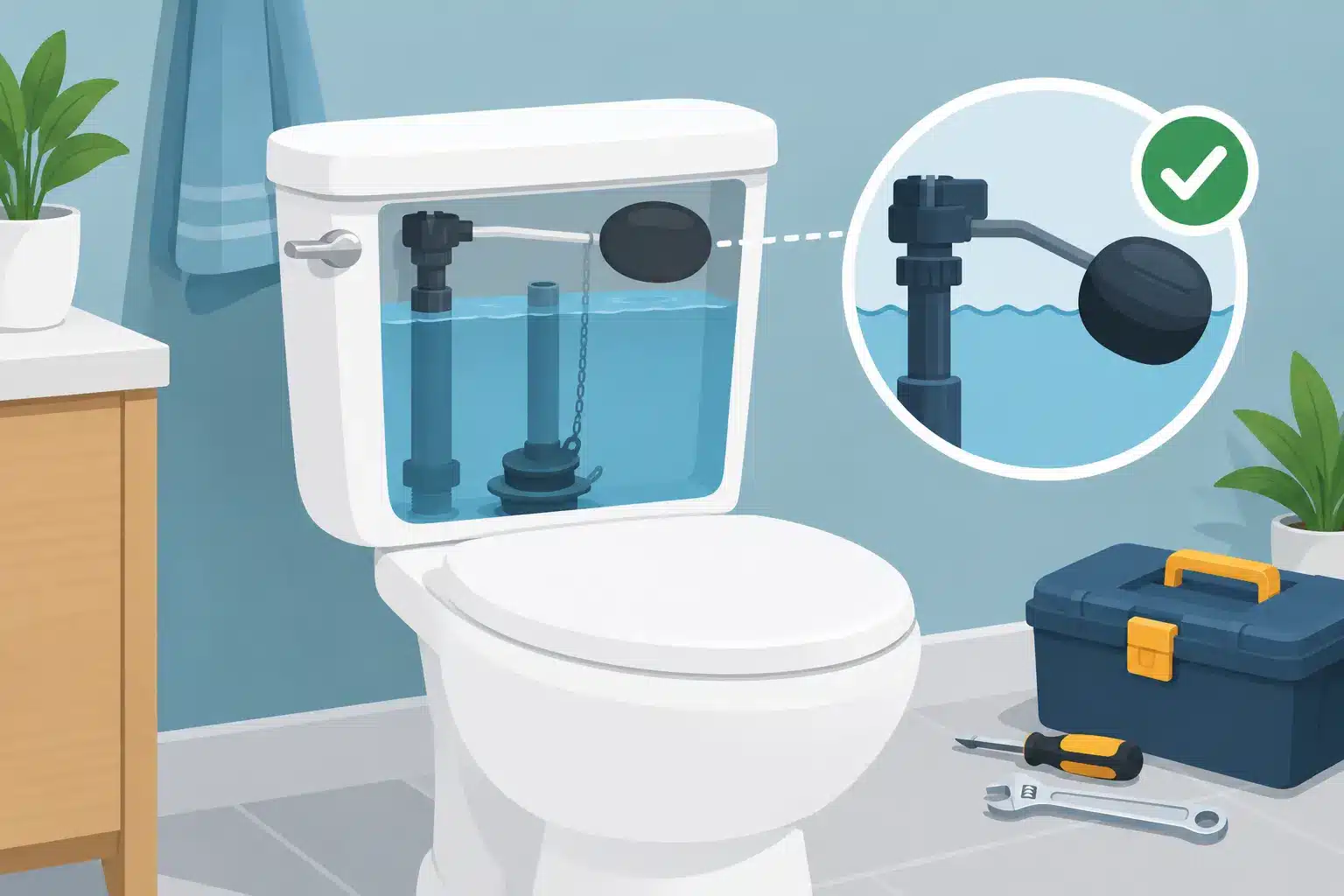
Some leaks are easy to spot, while others happen inside the tank or under the floor. A toilet that continues to run after flushing is a common warning sign. The flush valve may not be sealing, or the fill valve may be overfilling the tank and sending water through the overflow. Either way, it can waste a surprising amount of water.
Water on the floor does not automatically mean the toilet itself is at fault. It may be coming from a nearby shower, vanity, pipe connection, or condensation in a poorly ventilated room. The timing of the leak helps narrow it down. Water that appears only after flushing points toward the pan, drain, or tank components. Water that builds up continually can indicate a supply line, inlet valve, or hidden pipe issue.
Other signs worth acting on include a loose or rocking toilet, an unpleasant drain odor, staining around the base, a hissing sound from the tank, and repeated refilling without use. None of these should be treated as normal wear and tear. They are signs that the toilet needs an experienced inspection.
Leaking toilet repair in Perth: finding the real fault
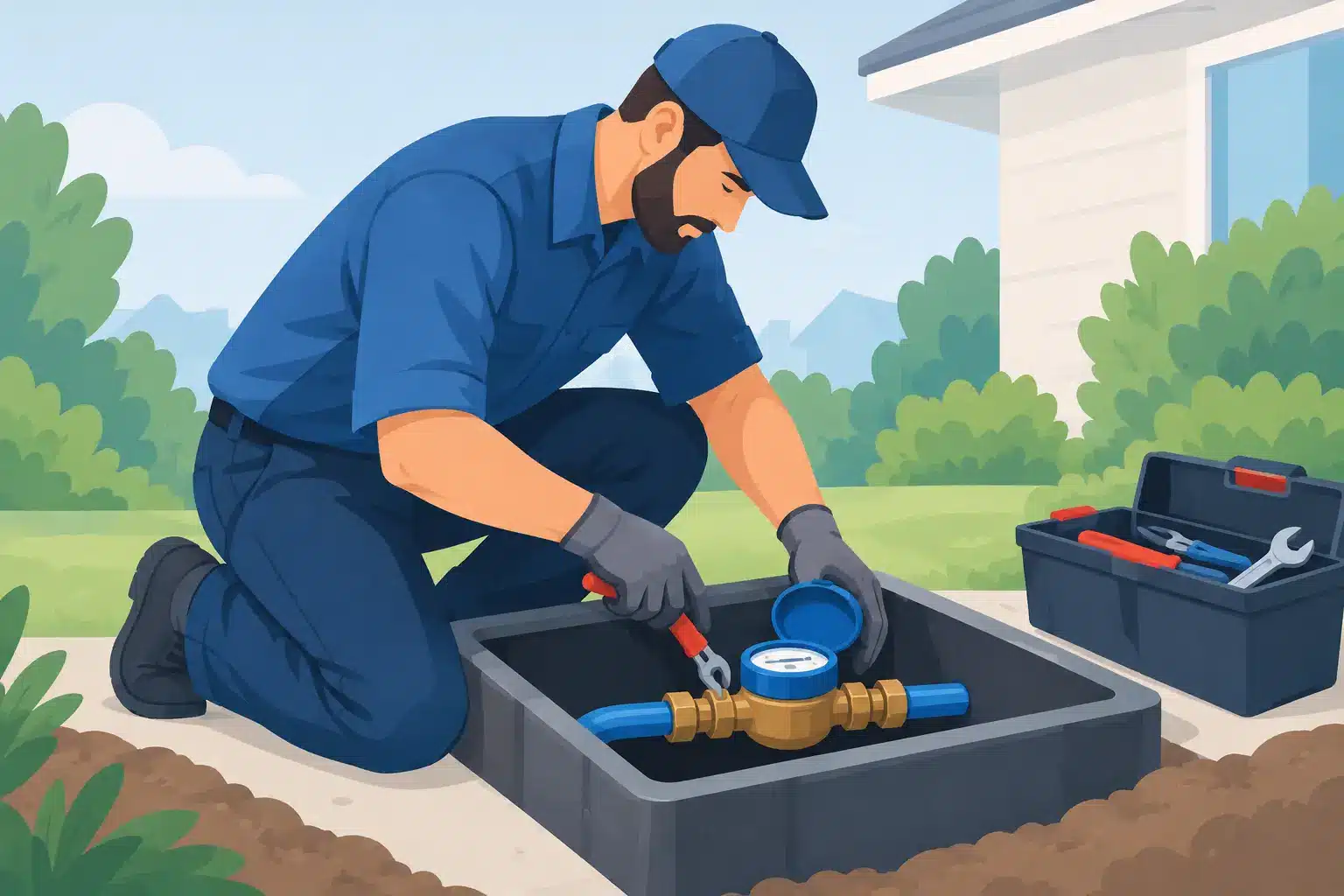
The right repair starts with diagnosis. A qualified plumber will inspect the tank, internal components, inlet connection, isolation valve, bowl, base, and drainage connection. They may test the flush, check whether the toilet is stable, and look for evidence of moisture under or around the fixture.
A leak from the tank may be caused by worn internal seals, a faulty fill valve, loose bolts, or a cracked component. In many cases, replacing the affected part restores reliable operation. If the tank is cracked or the toilet is old and parts are no longer dependable, replacement may be the more cost-effective long-term option.
A leak at the base needs particular care. The toilet may need to be removed so the pan connector, seal, floor flange, and drainage connection can be checked. Simply applying sealant around the outside of the base can hide the water temporarily, but it does not correct a failed seal or damaged connection underneath. A proper repair makes sure the toilet is secure, sealed, and flushing correctly before it is returned to service.
The best approach depends on the age of the fixture, the condition of the bathroom floor, and whether the problem is isolated or connected to a wider plumbing issue. An experienced plumber should explain what has failed, what work is needed, and whether there is any risk of further damage behind the toilet.
What to do while waiting for a plumber
If water is actively escaping, avoid flushing the toilet until it has been inspected. Where it is safe to do so, turn off the small isolation valve on the water line behind or beside the toilet. This can stop a supply leak or prevent a continually running tank from wasting more water.
Keep the area clear and dry what you can from the surface. Do not use electrical appliances near standing water. If the leak has reached a hallway, downstairs ceiling, wall, or neighboring unit, document the visible damage and advise the relevant property manager or strata representative as soon as possible.
It is tempting to tighten fittings, replace internal parts, or apply sealant without knowing the source. That can make a temporary difference, but it can also crack aging components, conceal a drainage leak, or delay the repair the toilet actually needs. For properties with tenants, commercial use, or shared plumbing, an unverified repair can create compliance and liability concerns as well.
When the leak is an emergency
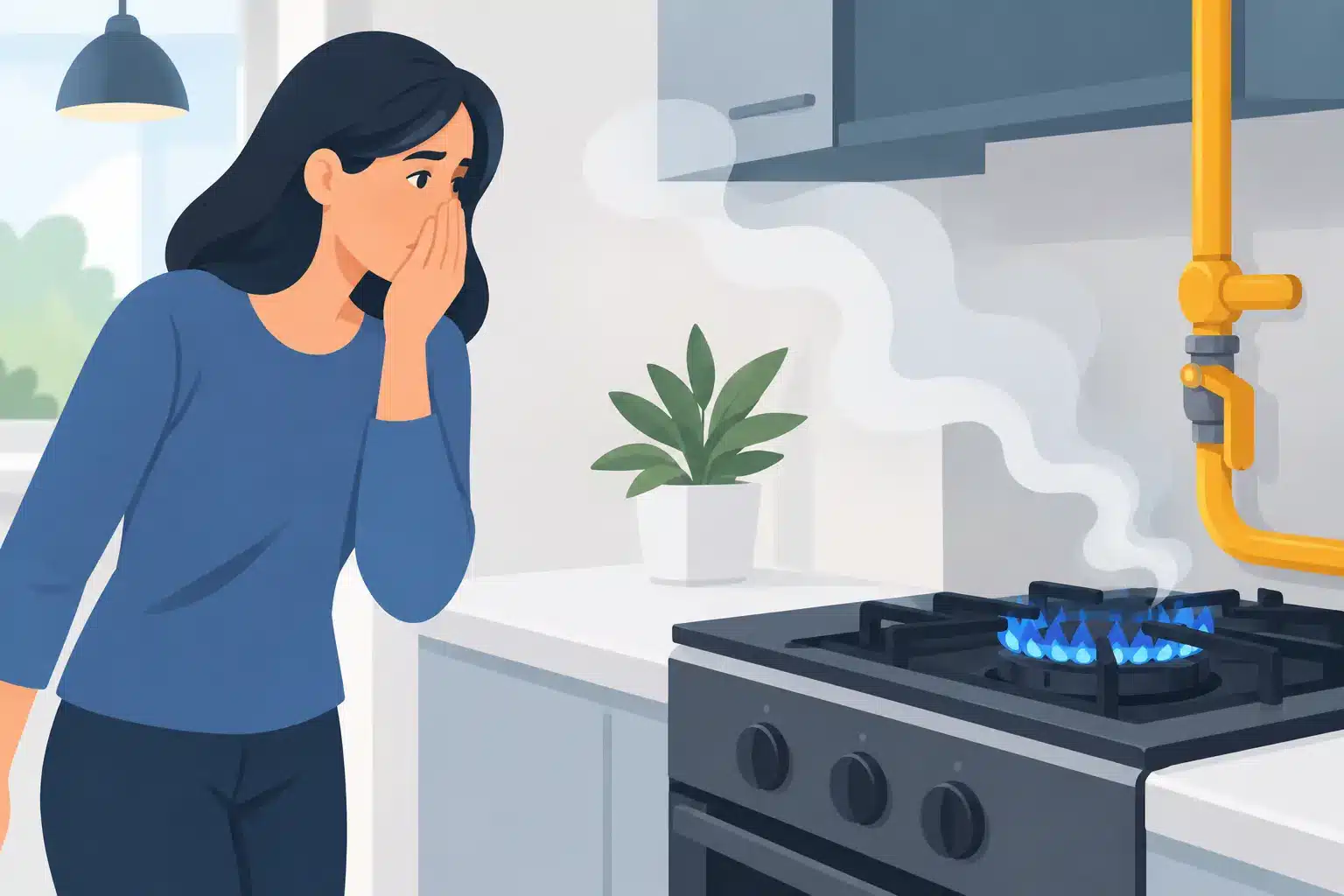
Not every leaking toilet requires an after-hours response, but some situations should be treated urgently. Call for prompt assistance if water cannot be isolated, sewage is escaping, the bathroom is flooding, water is entering another room or level, or the only working toilet on the property is out of service.
The same applies to commercial premises and strata buildings where a toilet leak may affect multiple occupants. Quick containment can limit damage, but a qualified repair is what restores safe, reliable operation. A plumber with the right equipment can assess both the fixture and the surrounding pipework rather than guessing at the cause.
Long-term repairs protect your property
A toilet should feel stable, flush efficiently, refill correctly, and remain dry around the tank and base. When one of those basics changes, early action is usually less disruptive and less expensive than waiting for damage to spread.
Everyday Plumbers provides practical leaking toilet repairs across Perth for homes, rental properties, businesses, and strata sites. Licensed, insured, police-cleared local tradespeople can assess the problem, explain the repair clearly, and focus on a lasting result rather than a band-aid fix.
If you have noticed water where it should not be, arrange an inspection before a small toilet leak becomes a damaged floor, a ceiling repair, or a bigger interruption to your property.



Leave A Comment